Home | Your Industry | Food Processing

Pneumatic Solutions for Food Processing & Packaging

Food processing and packaging lines generate a wide range of waste (film and wrapper offcuts, trim, dust, and by-product material) that builds up quickly across cutting, wrapping, and packaging stations. Manual collection means stopped machines and added labor, while dust and debris settling on product and equipment raise hygiene and safety concerns.

  • Managing waste at speed: Waste product, film offcuts, trim, and by-product material generated across processing and packaging lines accumulate quickly, and manual removal means stopped machines and forklifts hauling waste between runs.
  • Controlling dust from cutting and packaging: Dust and fines from cutting and packaging stations settle on product and equipment, creating slippery floors and worker safety risk.
  • Handling waste across varied product lines: Confectionery wrapping, coffee pod production, dairy packaging, sausage casings, and poultry by-products each generate different waste streams that call for flexible collection and handling.
  • Removing rejects before case packing: Empty or underfilled packages need to come off the line before they reach case packing or shipping.
  • Reducing manual handling across multiple lines: Facilities running several packaging or processing lines at once multiply the labor and downtime cost of emptying waste bins and clearing blockages by hand.
  • Fitting waste handling into tight facility layouts: Waste extraction has to work around existing equipment and limited floor space without disrupting production.

Kongskilde pneumatic systems extract trim, dust, and by-product material directly from processing and packaging lines and route it to collection, keeping lines running and floors clear. Equipment is configured around your specific product, whether that means gentle handling for wrapped and packaged goods or conveying by-products away from the line.

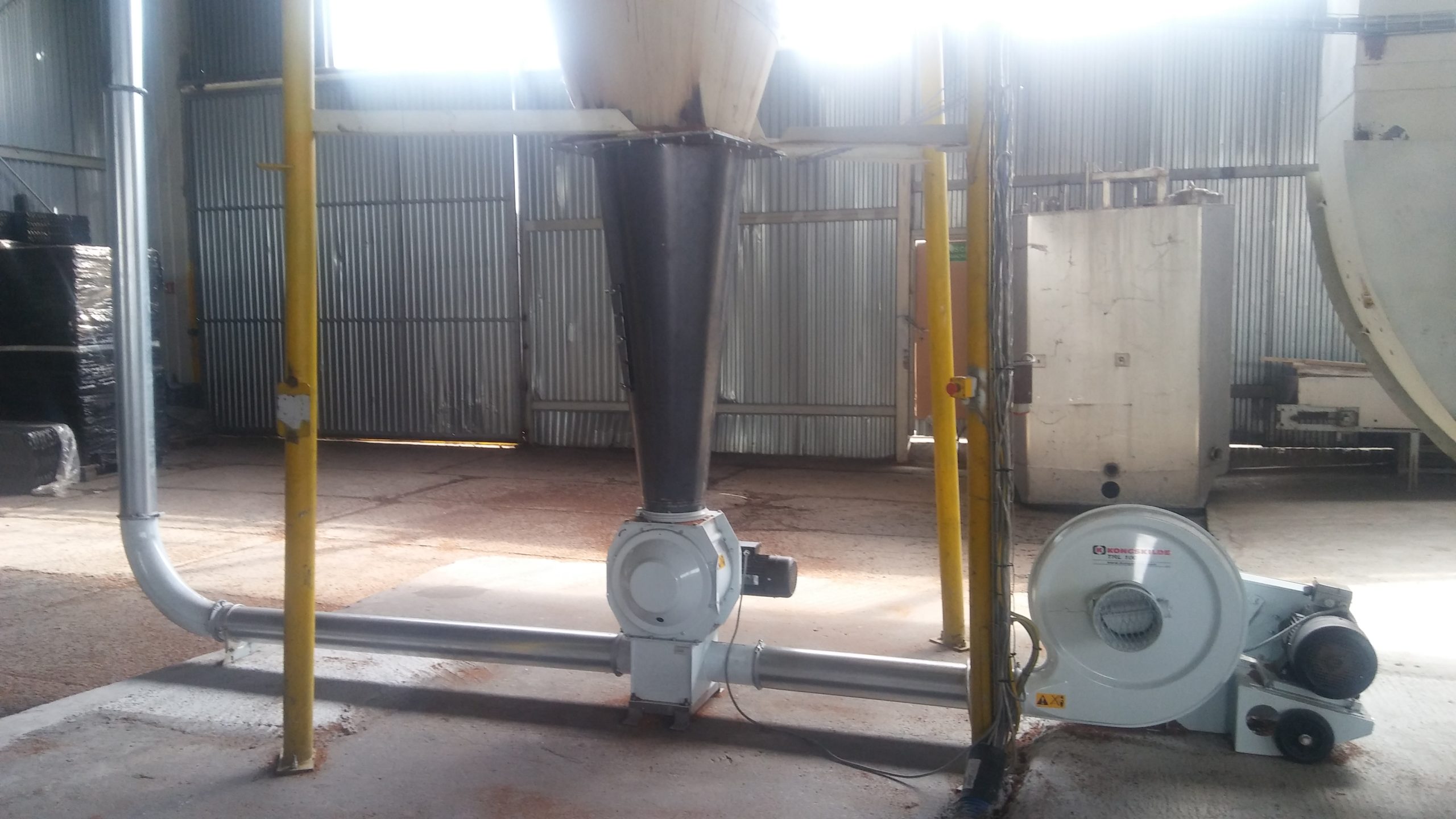
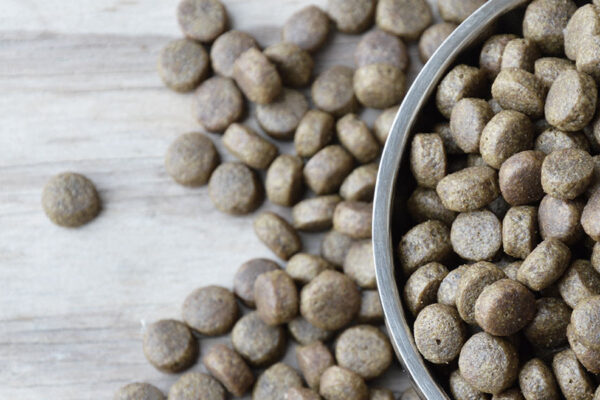
  • Pneumatic Conveying: Air-driven transport moves kibble, extruded snacks, cereal, coffee beans, rice, and other granular or piece-form product between processing, packaging, and bagging stations, with low-velocity handling that protects shape and texture.
  • Dedusting and Separation: Aspirators and integrated systems remove dust, fines, and light impurities from trim, byproduct, and regrind material, supporting cleaner output and a safer work environment.
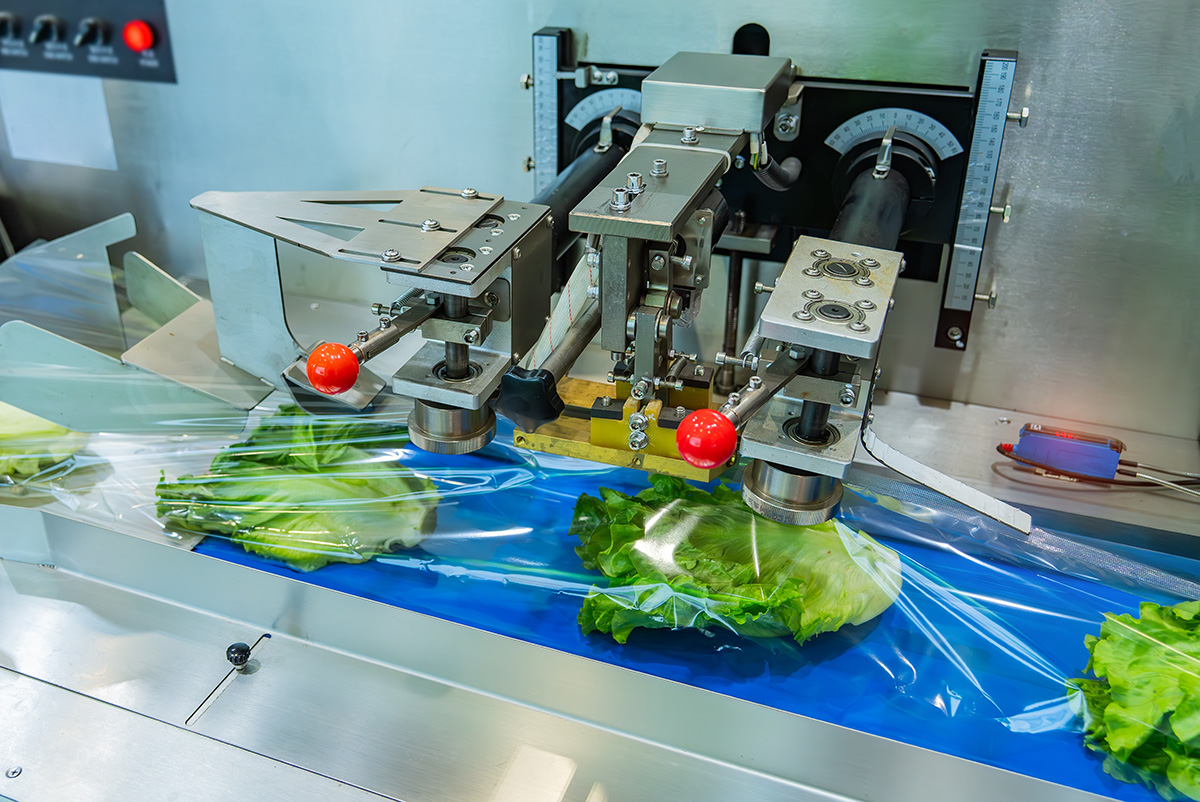
  • Trim Extraction and Reject Removal: Enclosed conveying systems remove packaging offcuts, wrapper trim, casings and skins, and empty or underfilled packages from the line, reducing manual collection across confectionery, coffee, dairy, and meat processing.

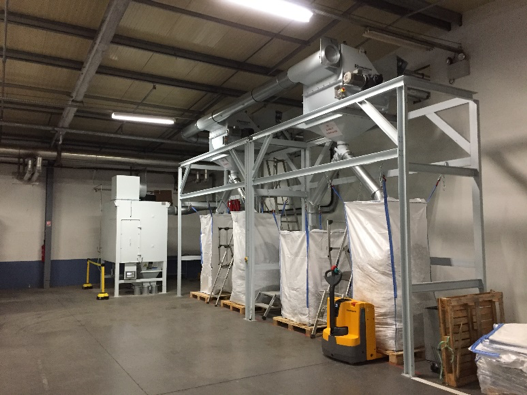
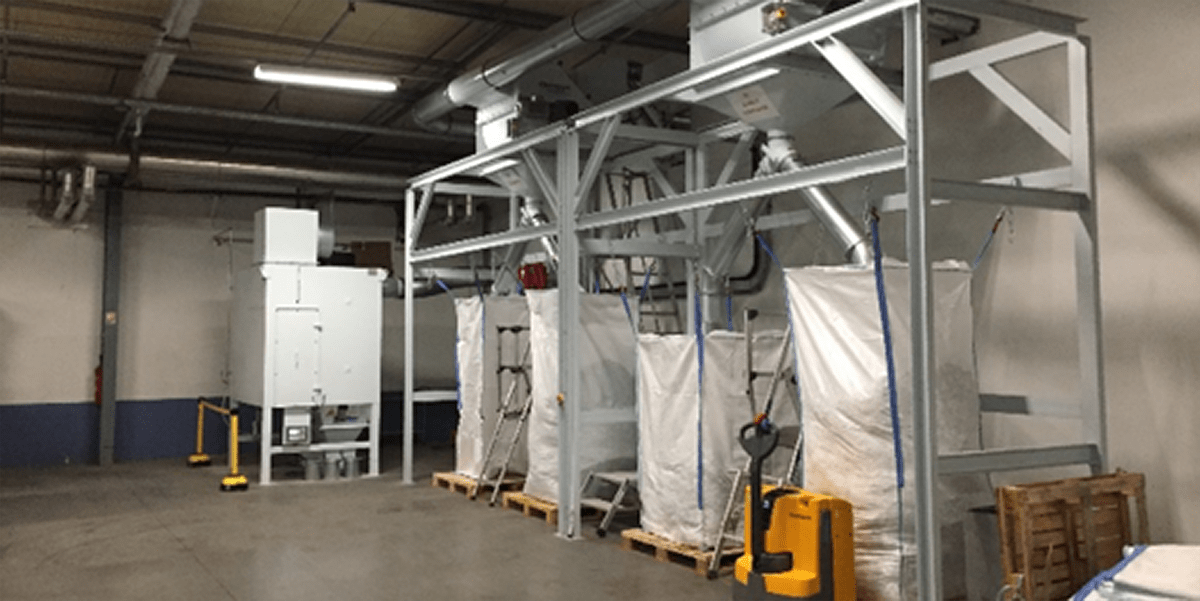
Efficient Removal of Plastic Production Waste for Yogurt Producer

A major yogurt producer was paying EUR 9,000 a month to transport and dispose of polystyrene offcuts from five production lines. An RVS MultiSeparator now draws offcuts from each line through separate pipes, keeping colors apart and delivering more than 8 tons a month into big bags for resale, with an expected payback of under three years.


The Kongskilde Advantage

Our experience across the food processing becomes a practical advantage for you. From waste flow to line efficiency and product quality, we apply proven knowledge to help you solve challenges and achieve reliable results.

Our Guarantee

Every custom system is backed by a full performance guarantee.

Complete Solutions

Fully engineered, installed, and backed by ongoing support from day one.

Your Expert

Expert guidance based on deep process and application knowledge.

Global Support

A worldwide presence backed by regional support.

Start the conversation today.

Every project is different, and so is every custom solution we deliver.

Tell us about your challenges, and one of our experts will follow up to learn more about your operation and discuss how we can help.

  • No obligation conversation
  • Solutions tailored to your process and materials
  • Support for new installations and system upgrades
  • Help identifying bottlenecks and improving material flow
  • Compact system designs for space-constrained facilities

Frequently Asked Questions

What is pneumatic conveying in food processing?

Pneumatic conveying uses air to move dry food products and by-products through enclosed pipes between processing, storage, packaging, and bagging stations. Separate systems can remove packaging trim and production waste, reducing manual transfers and keeping material contained.

Can pneumatic conveying handle products such as cereal, pet food, and coffee?

Yes. Applications include cereal, pet food kibble, and green or roasted coffee beans. To ensure each product is suitable for pneumatic conveying, we verify its performance through testing at our Technology Center. Airflow, pipe routing, and receiving equipment are selected to limit breakage. Dedusting can remove fines where required.

What are the advantages of pneumatic conveying over manual handling or mechanical conveyors?

Pneumatic systems move material directly between processing equipment, bins, and packaging stations, reducing manual lifting and transfers. Enclosed pipes contain material and can be routed overhead or around existing equipment, freeing up floor space.

How does trim extraction work on food packaging lines?

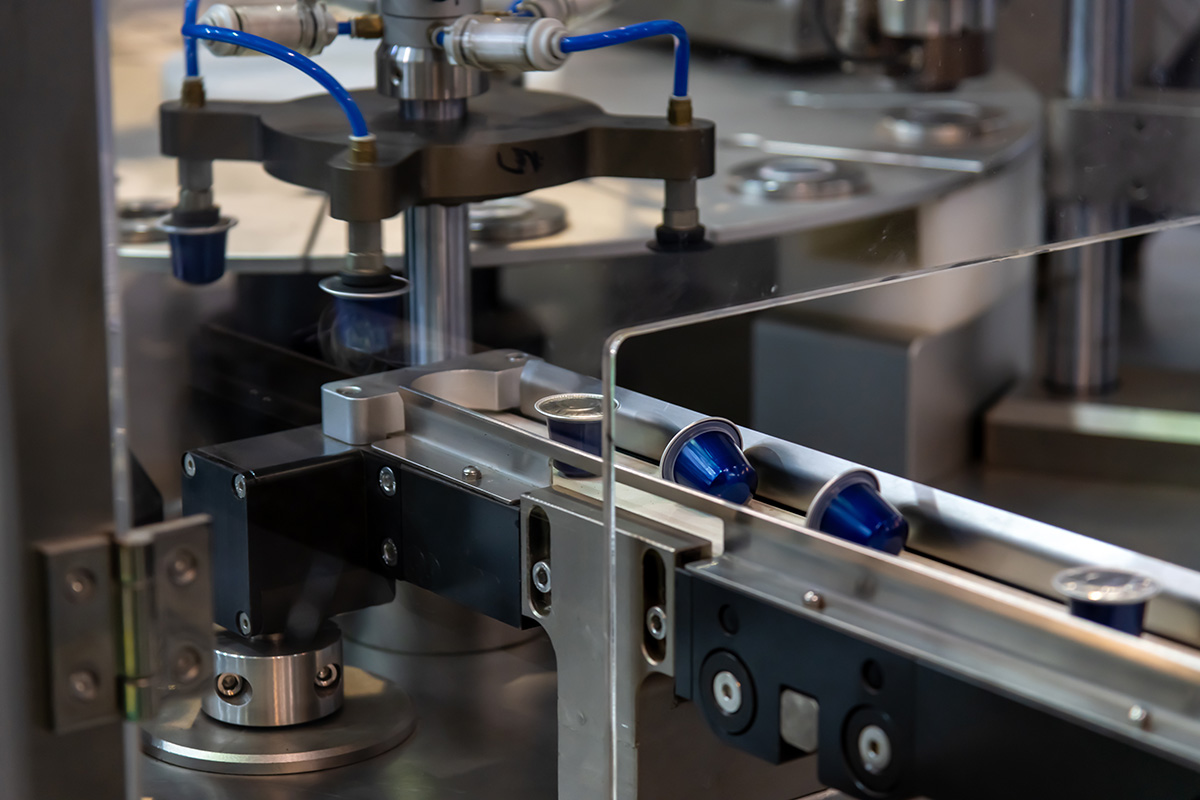
Trim is collected at wrapping, sealing, slitting, or cutting equipment and conveyed through enclosed pipes to collection. Inline cutters can downsize continuous trim, including wrapper trim and waste from single-serve coffee pod production, before discharge.

How does pneumatic conveying support reject removal on food packaging lines?

Once identified and rejected by the production equipment, empty or incomplete packages can be pneumatically conveyed to collection. Applications include frozen dessert and snack roll packaging, reducing manual clearance around the line.

How are food processing by-products conveyed?

By-products such as poultry parts, sausage casings, and skins can be collected at the line and conveyed through enclosed pipes to containers or downstream processing. Systems are configured around the material and cleaning requirements, reducing manual bin transport.

How can pneumatic systems improve food processing and packaging efficiency?

Systems automate product transfers to bagging or packaging and remove trim and rejects through separate waste handling routes. This reduces manual collection, cart transport, and interruptions for clearing accumulated waste.

How can pneumatic conveying systems reduce energy use in food processing?

Food processors can reduce energy use by sizing the system to actual material throughput rather than running an oversized setup. Energy use depends on product characteristics, conveying route, and required capacity. Kongskilde engineers match blowers and components to the application to avoid unnecessary airflow.