Home | Your Industry | Recycling

Pneumatic Conveying and Dedusting for Recycling

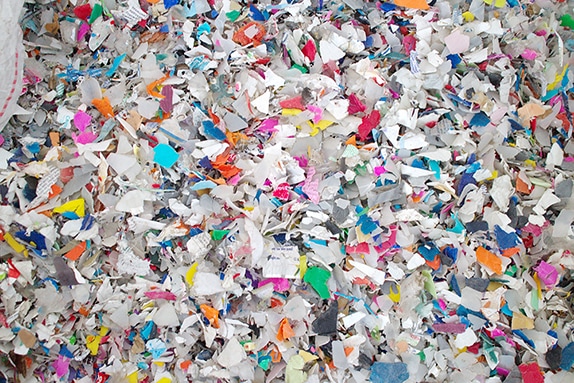
Recycled plastics and rubber only hold their value if the material stays clean, consistent, and properly sorted, whether it’s coming off a factory floor or out of a household collection stream. Post-consumer material adds extra difficulty: PET bottles carry labels and residue, household plastics mix multiple polymers, and reaching resale-grade purity often means pairing conveying with optical sorting.

  • Improving material quality and purity: Dust, fines, labels, and other contaminants in recycled plastics, rubber, or packaging waste reduce material value and limit its use in post-industrial and post-consumer applications.
  • Managing dust and airborne particles: Grinding and separation processes generate fine dust that creates health and safety risks and calls for dedicated dust control in recycling facilities.
  • Moving material without degradation: Flakes, granules, and edge trim need to move across the facility without abrasion, clumping, or cross-contamination between material streams.
  • Enabling effective separation for reuse: Separating material by density or type, such as removing light contaminants from heavier pellets, is essential for producing high-quality, closed-loop recycled material.
  • Reducing operational costs and downtime: Manual handling, frequent cleaning, and inconsistent throughput add labor cost and interrupt production in recycling lines.
  • Automating optical sorting machines: PET bottles, household plastics, and mixed contamination require optical sorting alongside conveying to reach resale-grade purity, and optical sorters often require additional conveying systems to operate at capacity without manual handling.
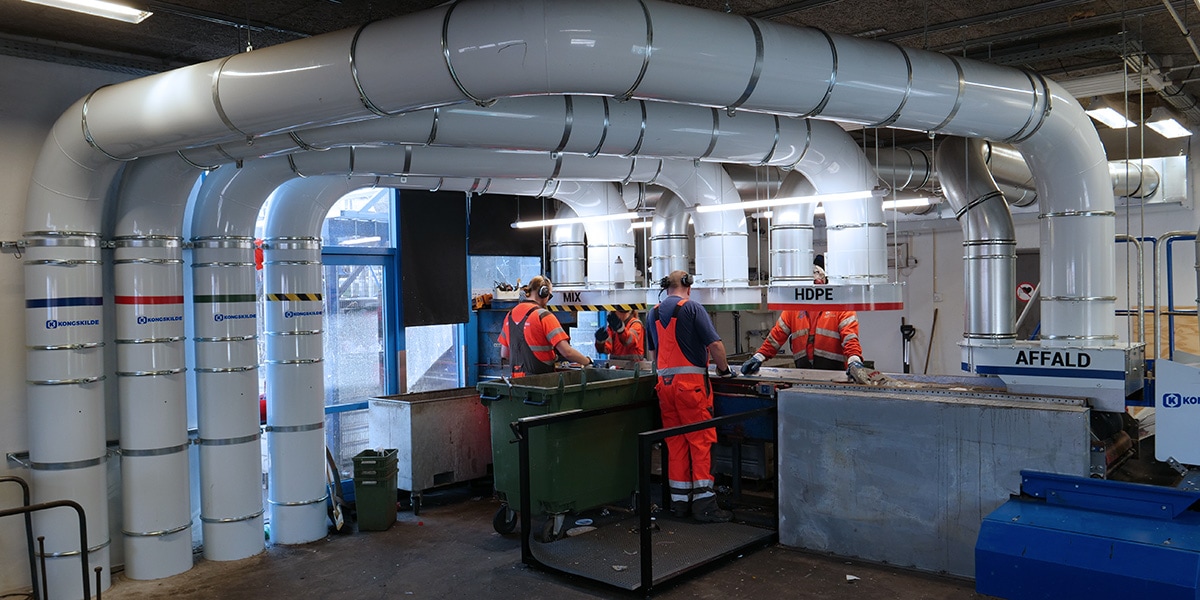
  • Reducing manual strain in sorting facilities: Repetitive manual handling of collected material for sorting increases injury risk and limits how much volume a facility can process without adding staff.

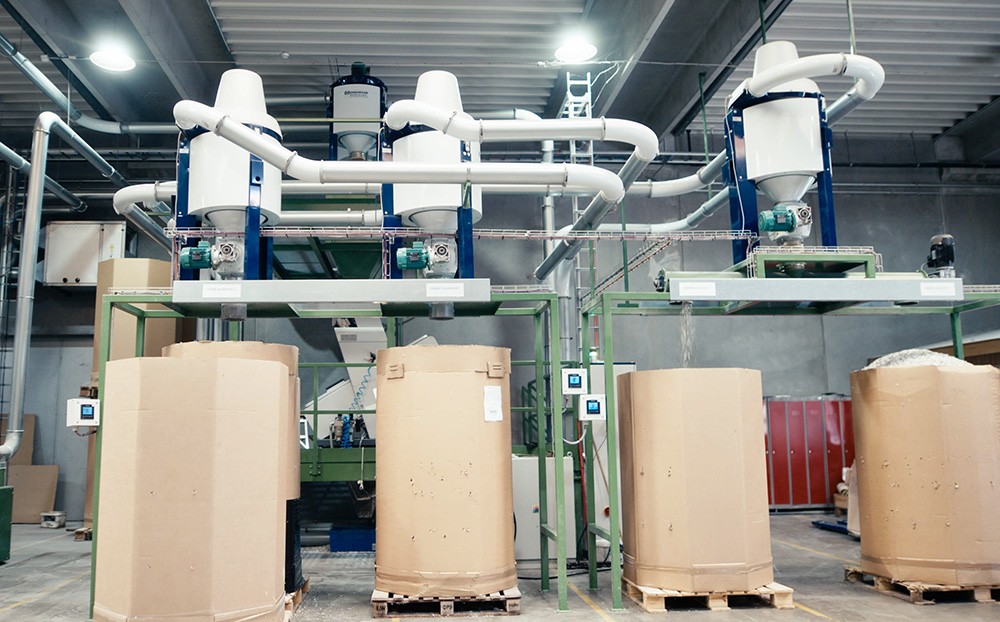
In recycling, purity and efficiency drive profit. Kongskilde pneumatic systems move regrind, flakes, and edge trim from grinder or silo to their next destination, stripping out dust, static, and light contaminants along the way so the material reaching the other end is ready for another production cycle, whether that’s post-industrial scrap headed back into a molding line or post-consumer PET headed to an optical sorter.

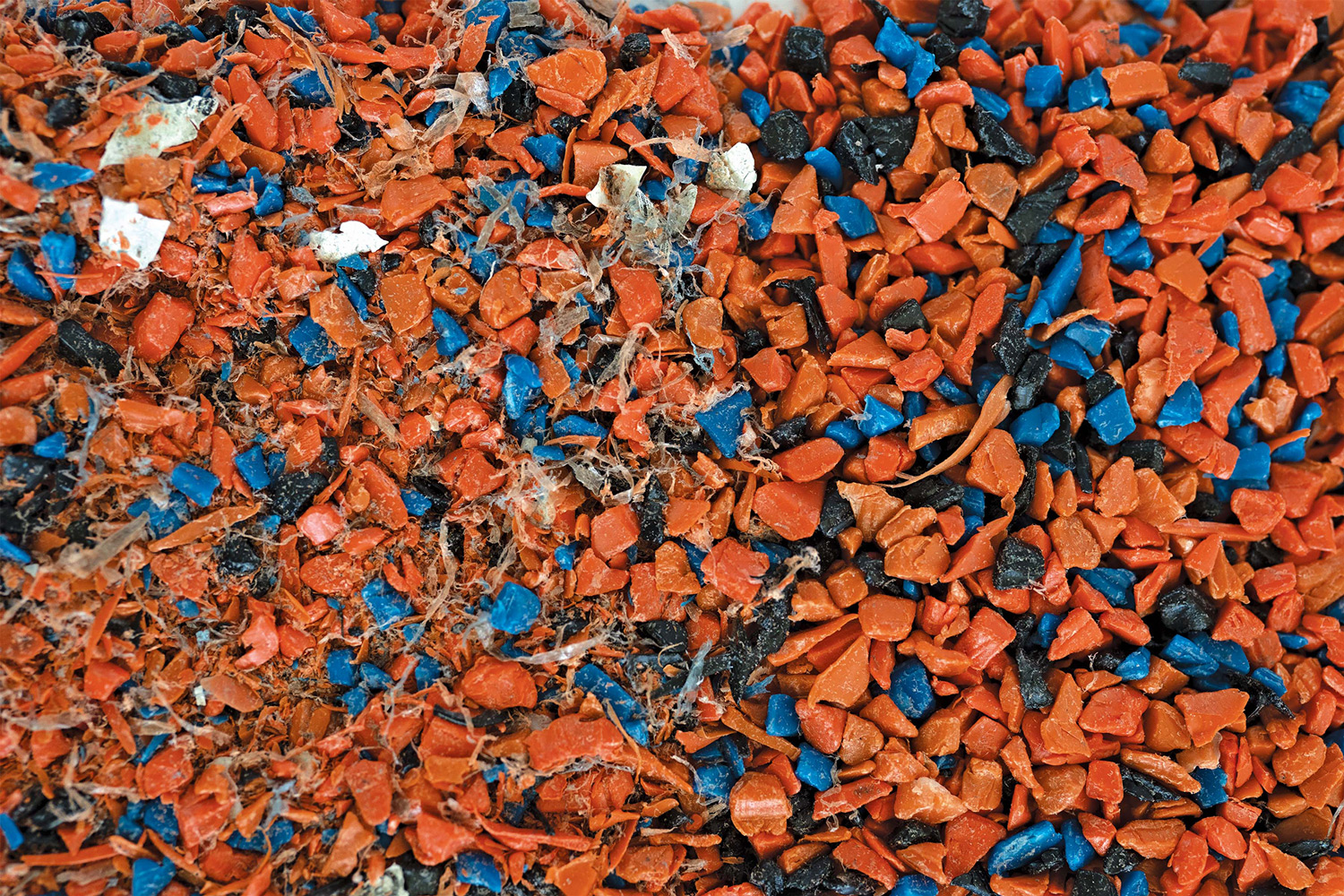
  • Trim Handling and Downsizing: Pneumatic removal of edge trim routes scrap directly to grinders or recycling points, with optional cutting for continuous trim and dust extraction to keep material and equipment clean.
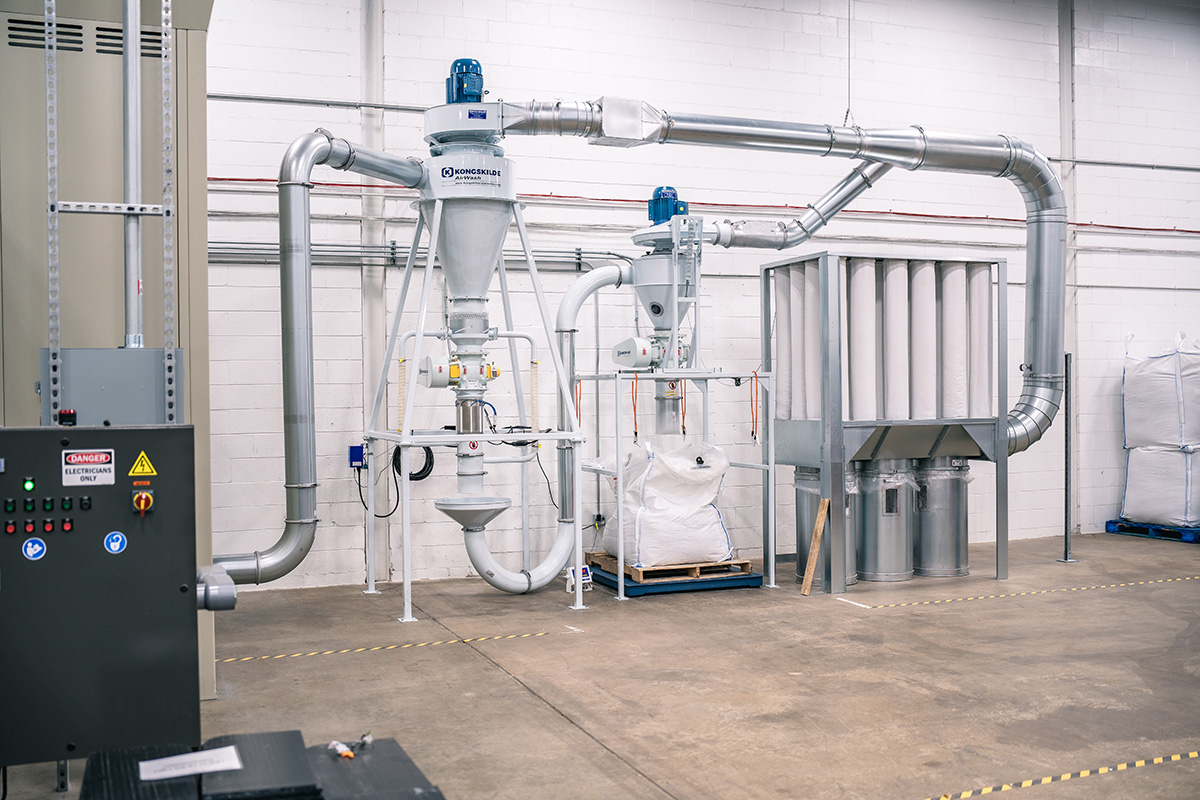
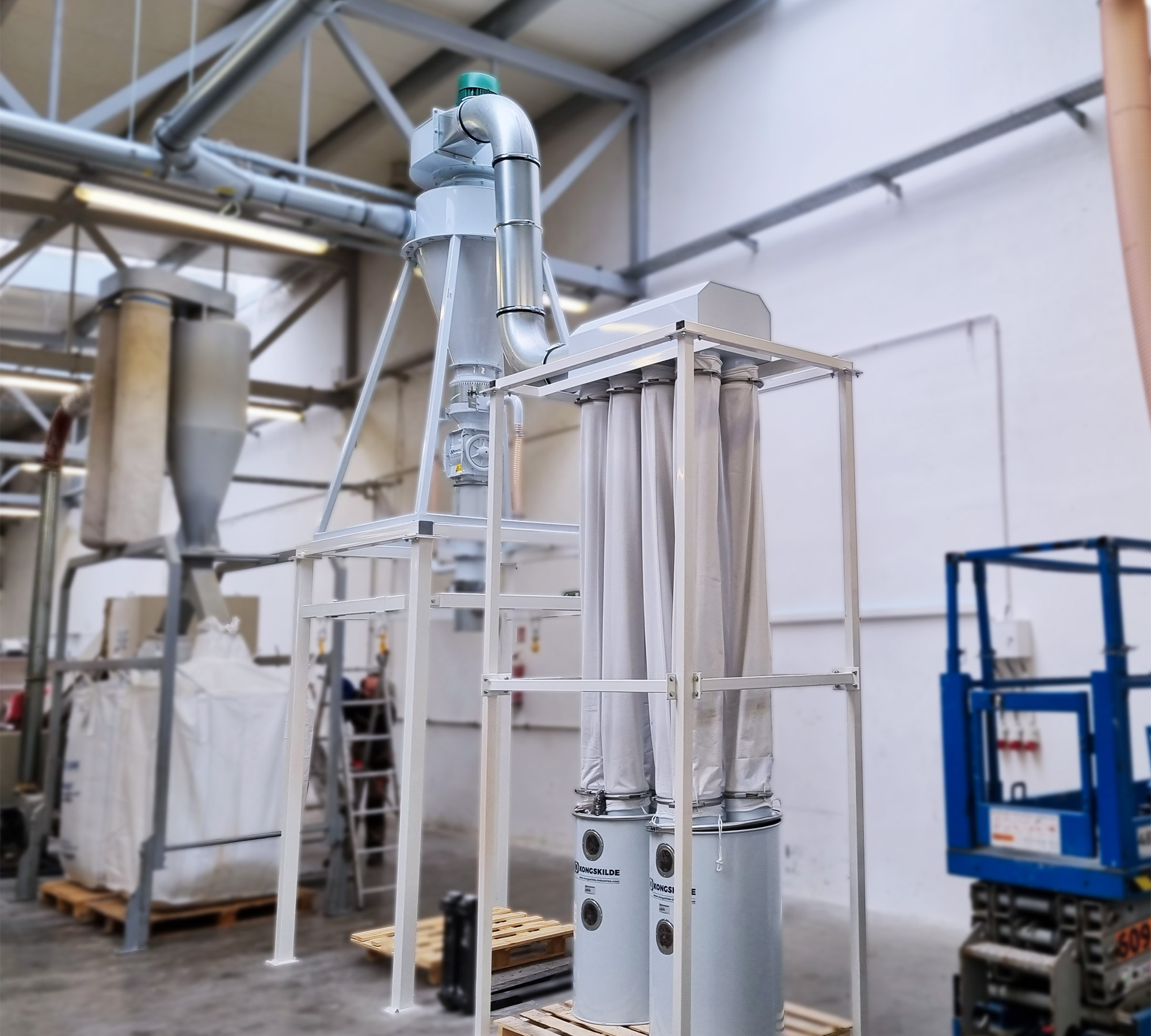
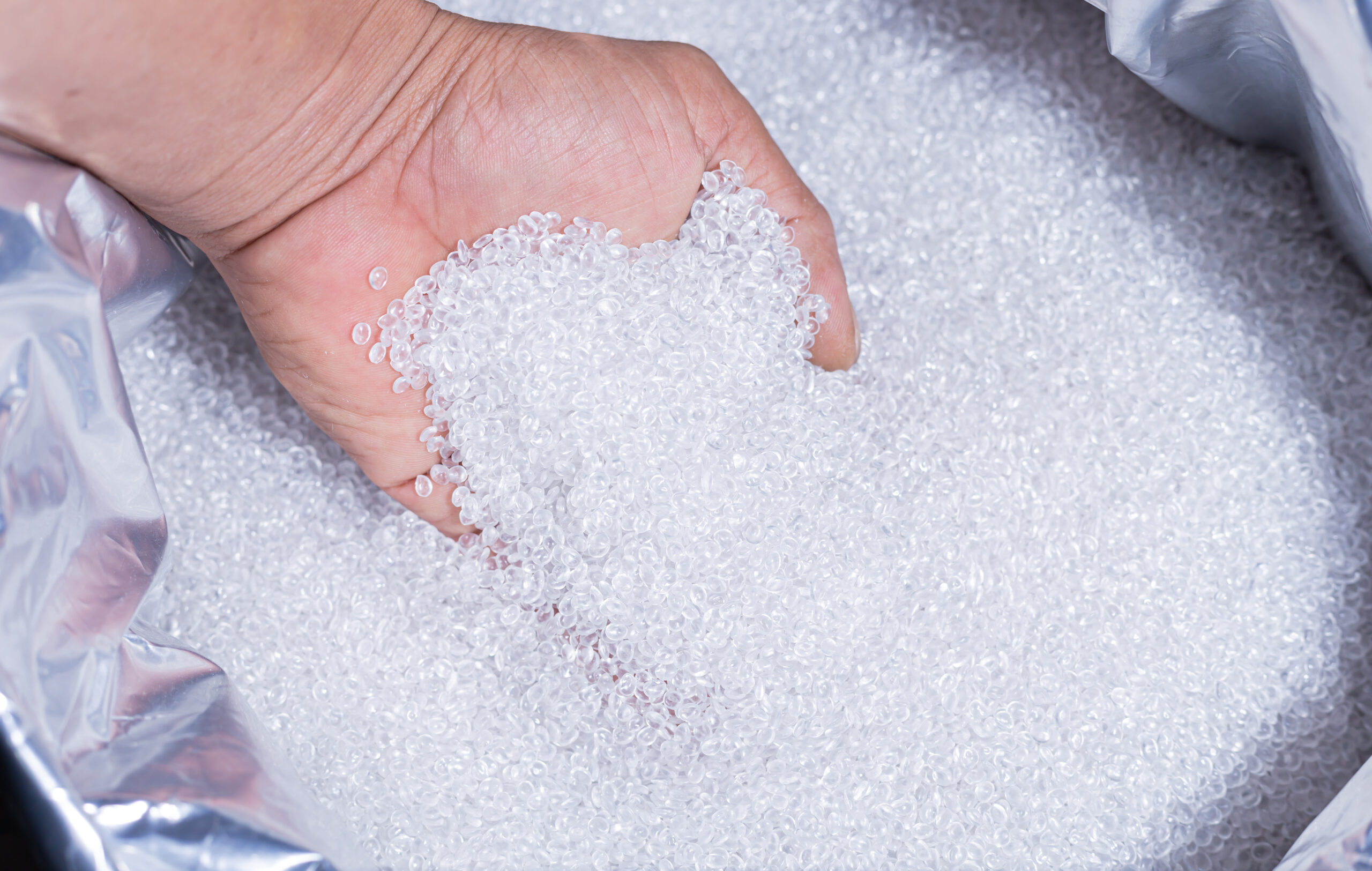
  • Dedusting and Separation: Aspirators and separators remove dust, fines, static, and light contaminants like labels from regrind, flakes, and pelletized material, including externally sourced PET bottle regrind, improving purity for both in-house reuse and resale.
  • Pneumatic Conveying: Enclosed, air-driven transport moves flakes, granules, pellets, and rubber with flexible horizontal and vertical routing. Systems built for static-prone material, like polycarbonate regrind, keep conveying lines running clean without buildup, and integrate directly with downstream separation or optical sorting equipment.
  • Conveying for Sorting and Separation Facilities: Pneumatic systems move collected material, including mixed plastics, metal, and glass, from collection points to sorting and separation equipment. This reduces manual handling and repetitive strain while supporting higher throughput without adding headcount.

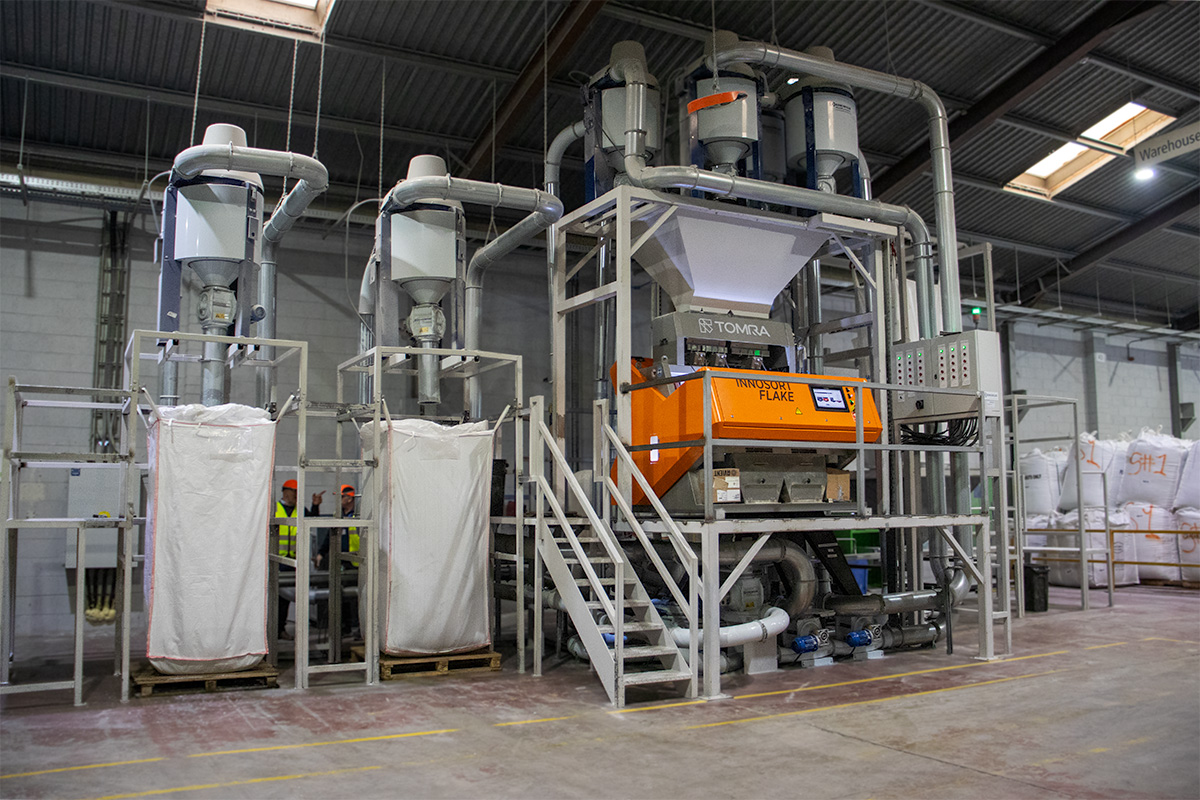
Automated Conveying for Efficient Optical Sorting of Recycled PET

Novelplast is an Ireland-based PET recycling company processing over 20,000 tonnes of post-consumer plastic waste per year. After investing in a Tomra optical sorting system to improve material purity, the company needed a reliable conveying solution to make it fully operational.


The Kongskilde Advantage

Our experience across recycling productions becomes a practical advantage for you. From material flow to product quality and process efficiency, we apply proven knowledge to help you solve challenges and achieve reliable results.

Our Guarantee

Every custom system is backed by a full performance guarantee.

Complete Solutions

Fully engineered, installed, and backed by ongoing support from day one.

Your Expert

Expert guidance based on deep process and application knowledge.

Global Support

A worldwide presence backed by regional support.

Start the conversation today.

Every project is different, and so is every custom solution we deliver.

Tell us about your challenges, and one of our experts will follow up to learn more about your operation and discuss how we can help.

  • No obligation conversation
  • Solutions tailored to your process and materials
  • Support for new installations and system upgrades
  • Help identifying bottlenecks and improving material flow
  • Compact system designs for space-constrained facilities

Frequently Asked Questions

How do pneumatic systems support post-industrial recycling?

Pneumatic conveying systems convey regrind and flakes gently while integrated dedusting and separation systems remove dust and light contaminants, improving material purity and supporting direct reuse in production.

Can pneumatic conveying handle mixed waste streams in sorting facilities?

Yes. Kongskilde pneumatic systems have supported municipal and commercial sorting facilities handling mixed waste streams, including metal and glass alongside plastics, moving material from collection points to sorting and separation equipment while reducing manual handling.

Which recycled plastic materials can be conveyed and dedusted?

Systems can handle flakes, regrind, granules, and pellets from materials such as PE, PP, PET, ABS, and polystyrene. Suitability depends on particle size, material weight, contamination, and required throughput, with testing available to assess the application.

What options exist for dust control in recycling facilities?

Enclosed pneumatic conveying systems contain dust during transport, and KIA Aspirators and AirWash systems remove it, controlling airborne fines and maintaining air quality on the production floor.

How does air separation remove labels and dust from PET regrind?

Density-based air separation removes light impurities, such as labels and dust, from pellets and granules. This matters most for externally sourced PET bottle regrind, where contamination control determines resale quality.

What advantages do pneumatic systems offer over manual handling or mechanical conveyors?

Pneumatic systems move recyclable material directly between processing equipment, bins, and collection points, reducing manual lifting and transfers. Enclosed pipes contain dust and debris and can be routed overhead or around existing equipment, freeing up floor space and reducing cleanup.

How does pneumatic conveying support optical sorting systems?

Automated conveying feeds material into the optical sorter continuously and consistently, allowing multi-pass sorting to run without manual intervention between cycles. This keeps material quality consistent throughout the process and can be added to an existing facility with minimal structural changes.