Cleaning of Regrind Plastic Material in the Automotive Industry – USA
An automotive manufacturer in the USA needed a solution to remove dust from the work environment and increase the use of regrind material.
Learn More

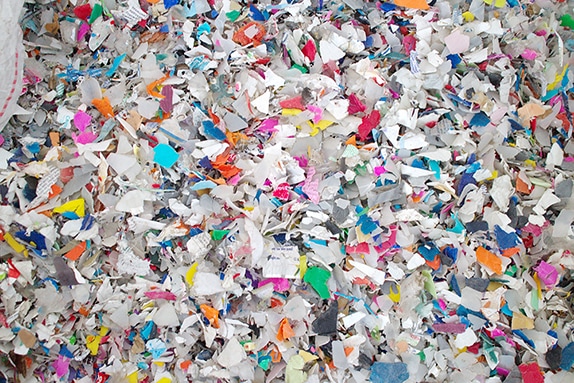
Automotive plastics processors are under increasing pressure to incorporate more recycled content while maintaining consistent part quality, reliable production, and a clean working environment. Reintroducing granulated production scrap can create new material-handling challenges, especially when manufacturers are accustomed to processing primarily virgin resin.
Dust and fines in plastic regrind can contribute to moulding defects and clogged loader screens and filters. Manually moving materials and clearing production scrap also takes operators away from the line.
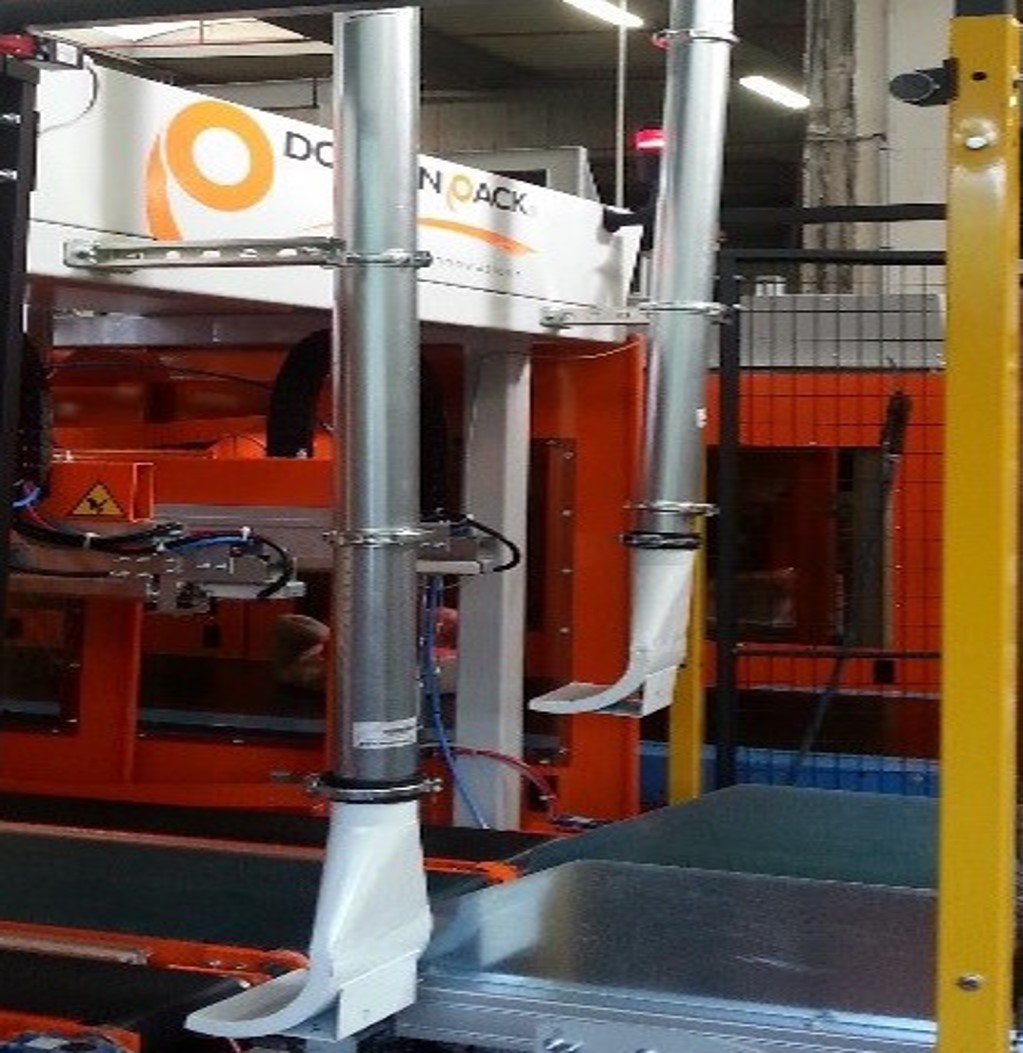
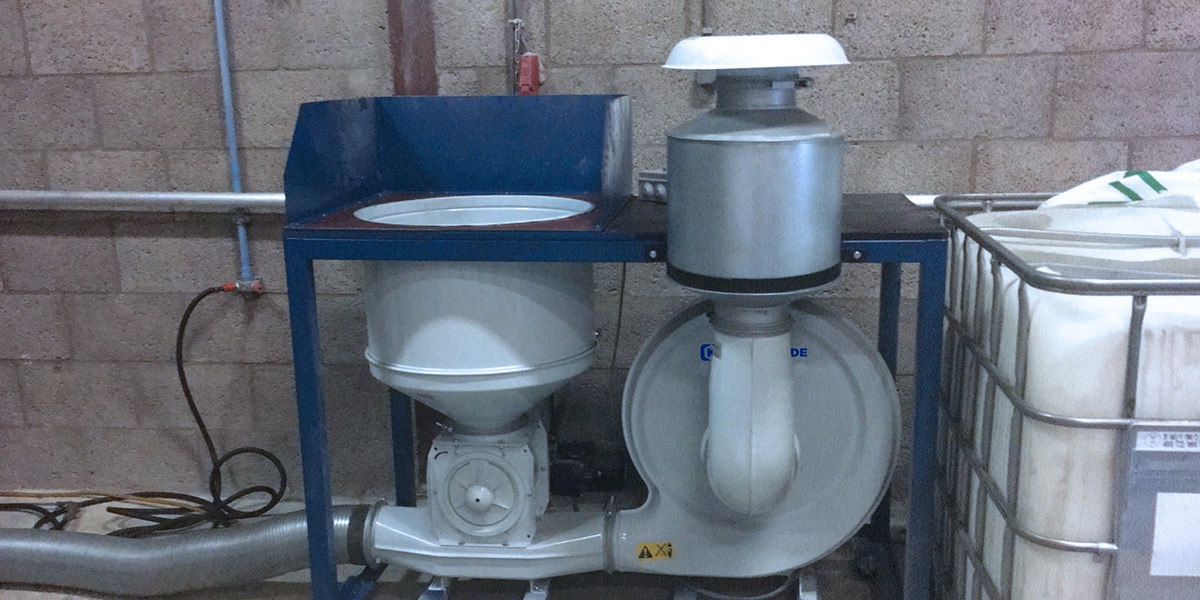
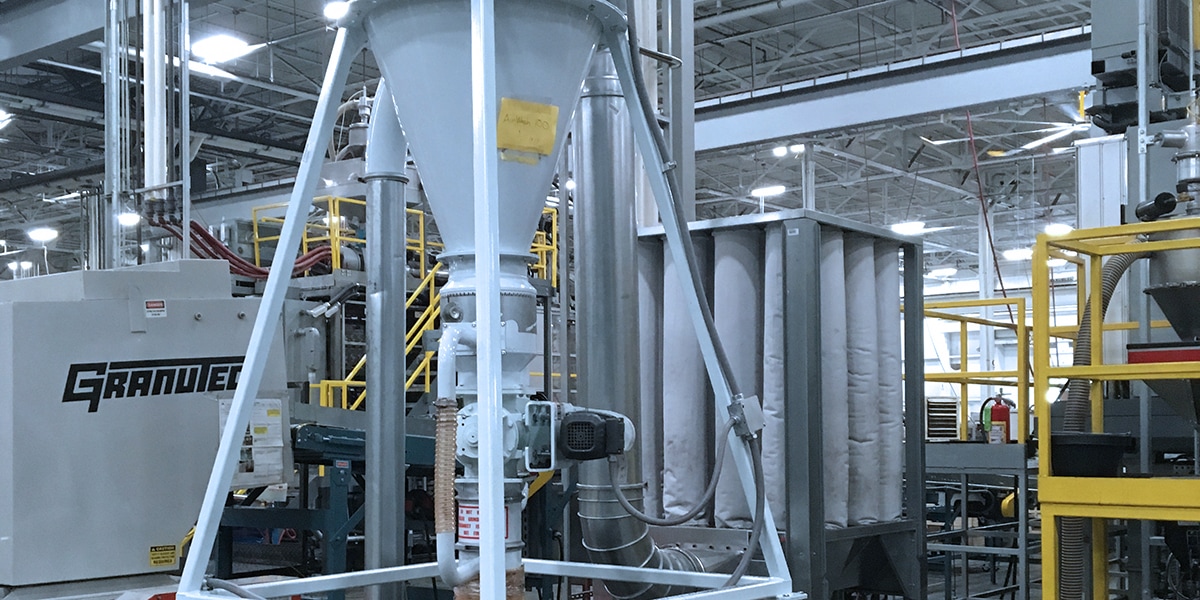
Kongskilde pneumatic systems convey pellets, regrind, suitable moulded parts, and production scrap through enclosed pipes, while dedusting equipment removes dust and light impurities before reuse. Systems connect granulators, storage, moulding machines, and collection areas, with equipment selected around your material, capacity, conveying distance, and production layout.

Featured Case Study
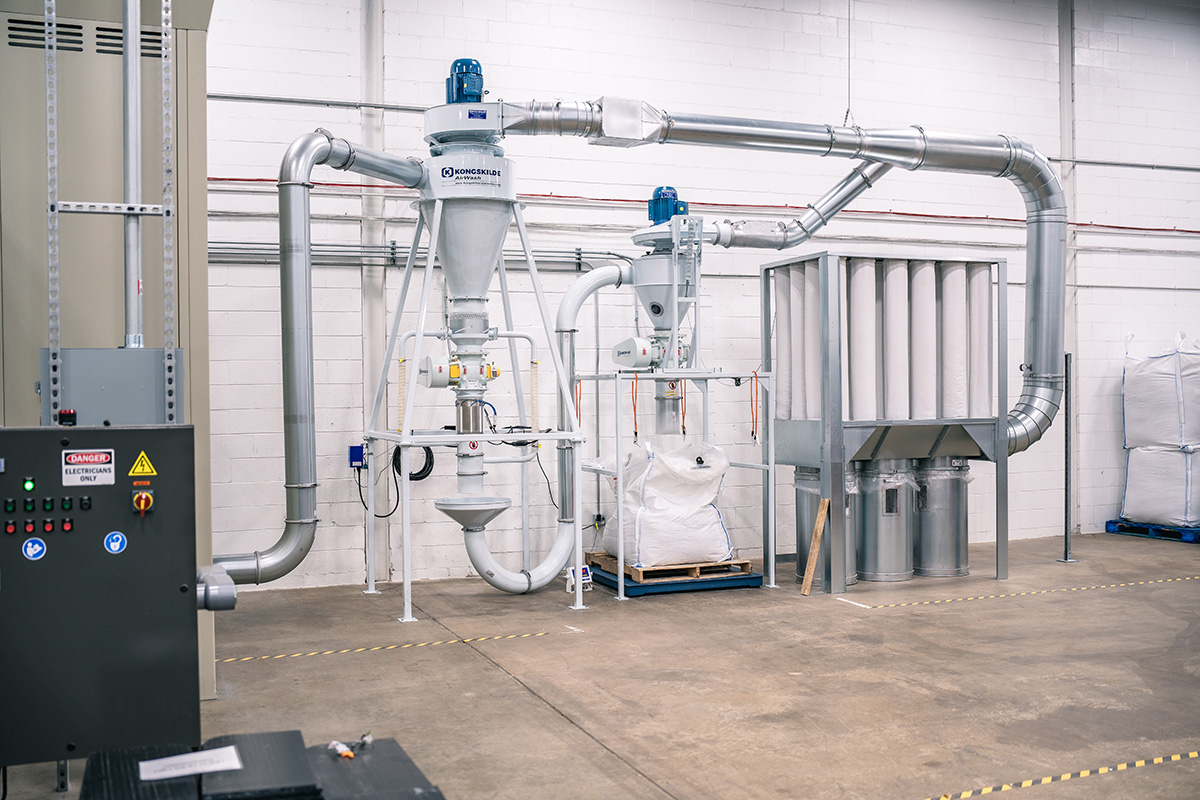
For automotive parts manufacturers, the AirWash system removes dust and fines from HDPE regrind before it re-enters the molding line, helping one automotive plastics molder increase recycled content from 30% to 80% while achieving a 6-month payback period.
We support a wide range of solutions for automotive manufacturers with solutions tailored to their specific processes, challenges, and goals.
Don’t worry, we’re up for the challenge. Contact us, and we will find the right solution for your operation.
Automotive plastic parts vary widely in size, shape, material, and production requirements. Kongskilde evaluates the complete application to develop a system suited to your material and facility.
Every custom system is backed by a full performance guarantee.
Fully engineered, installed, and backed by ongoing support from day one.
Expert guidance based on deep process and application knowledge.
A worldwide presence backed by regional support.
Every project is different, and so is every custom solution we deliver.
Tell us about your challenges, and one of our experts will follow up to learn more about your operation and discuss how we can help.
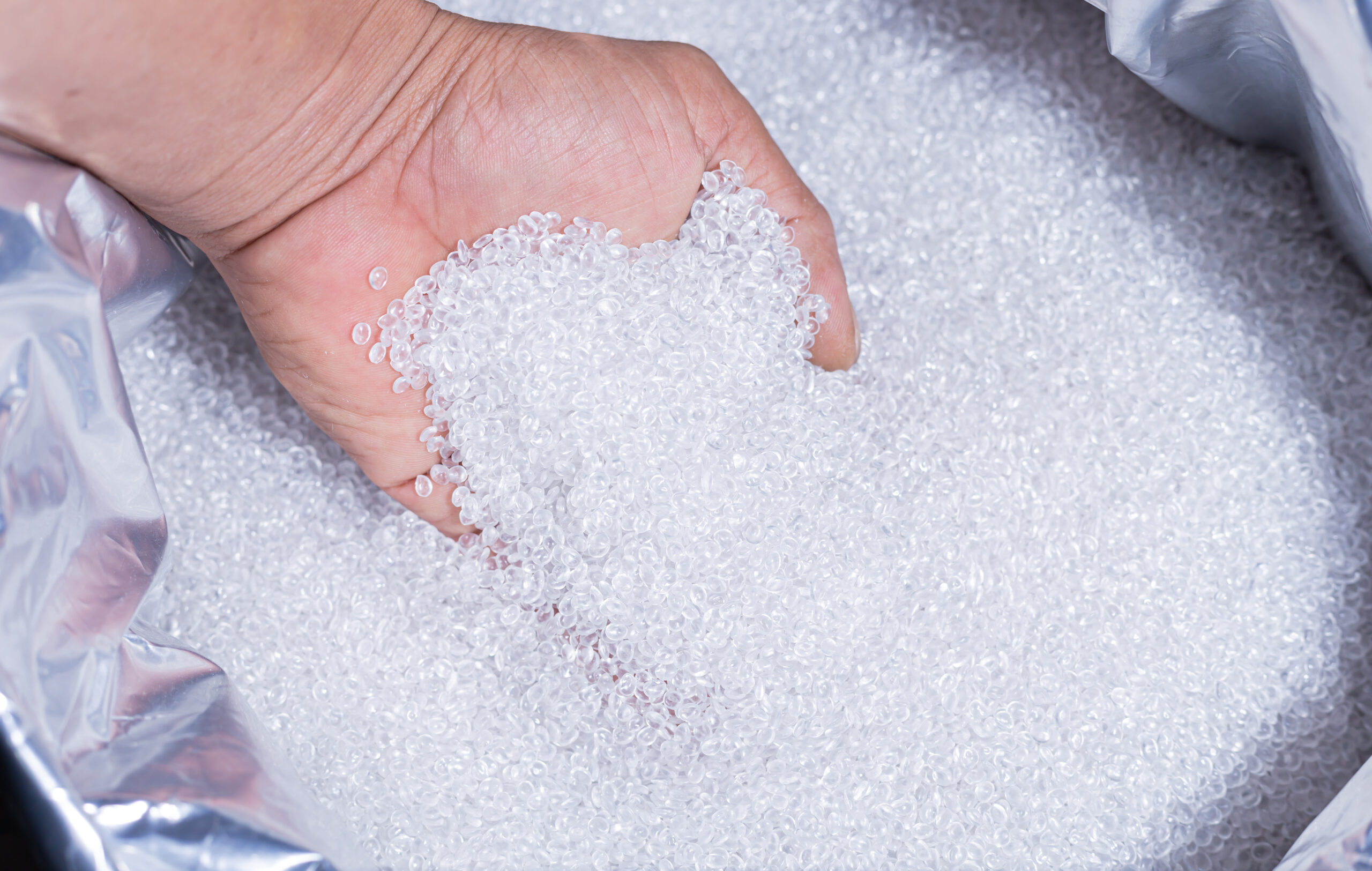
Post-industrial recycled plastic from sprues, flash, and rejected parts can be cleaned and blended with virgin resin where suitable. Consistent regrind quality supports reuse, but recycled-content levels must be validated against each component’s production and quality requirements.
Air-based dedusting removes dust and fines before regrind returns to production, helping reduce clogged vacuum loader screens, filter cleaning, and moulding defects. Systems such as AirWash combine conveying and dedusting, reducing manual transfers between processes.
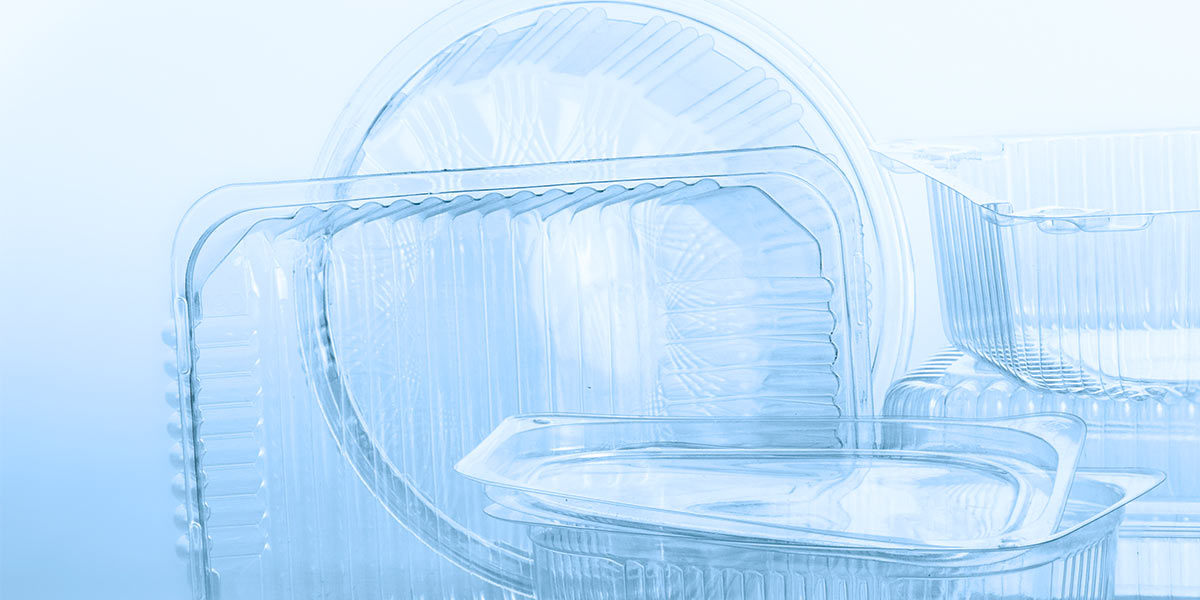
Air-based separation removes dust, fines, fibres, fluff, and light label fragments where their behaviour in airflow differs from the reusable plastic. Metals, moisture, oils, and colour contamination may require other treatment or sorting methods.
Pneumatic systems move suitable sprues, flash, runners, and rejected parts from moulding machines to granulators, bins, or recycling areas. This reduces manual lifting, bin emptying, and transfers between production stages.
Yes. Systems can connect with existing injection and blow moulding equipment, granulators, and storage. Integration is planned around available space, material characteristics, capacity, controls, and collection requirements.
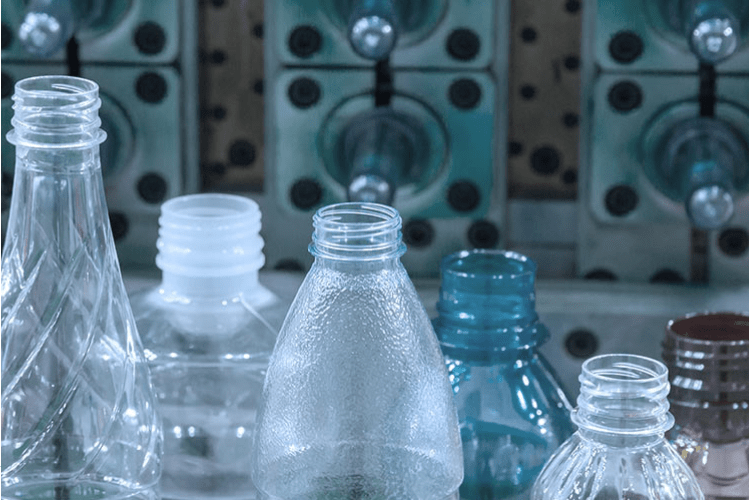
Yes, where the parts are suitable for pneumatic transport. System design accounts for part dimensions, weight, shape, and surface requirements, with airflow, pipe routing, and receiving equipment selected to limit impact and damage.
Automotive manufacturers can reduce energy use by sizing the system to actual material throughput rather than running an oversized setup. Energy use depends on material characteristics, conveying route, and required capacity. Kongskilde engineers match blowers and components to the application to avoid unnecessary airflow.