Pneumatic Conveying of Wallpaper Trim in the Netherlands
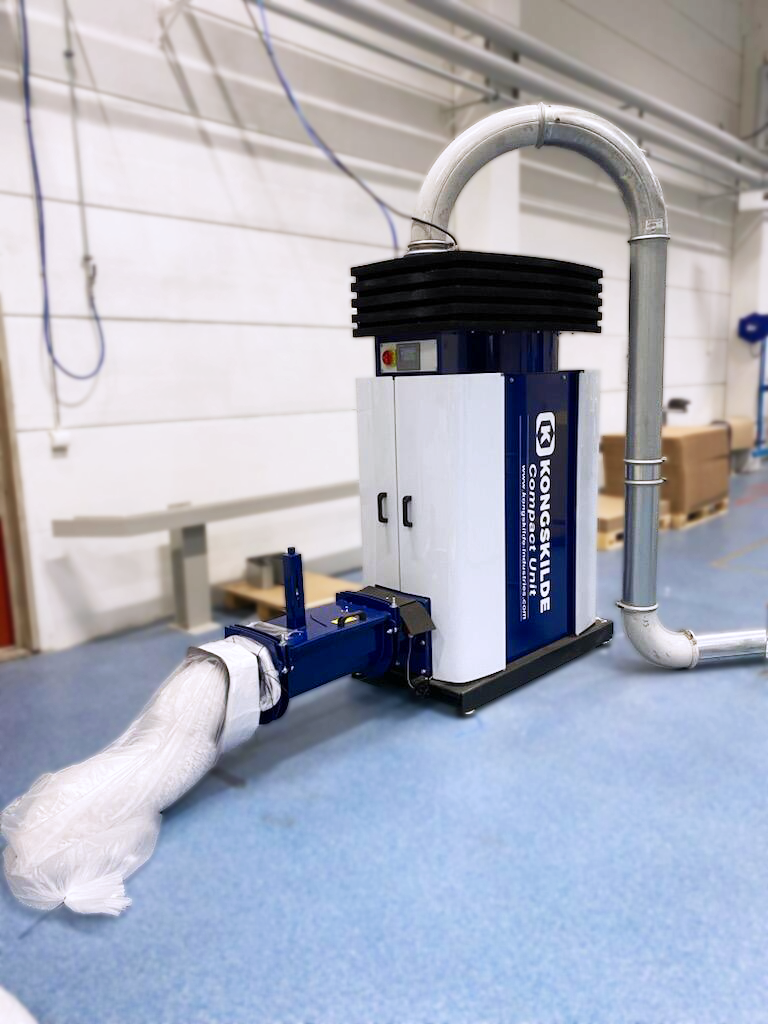
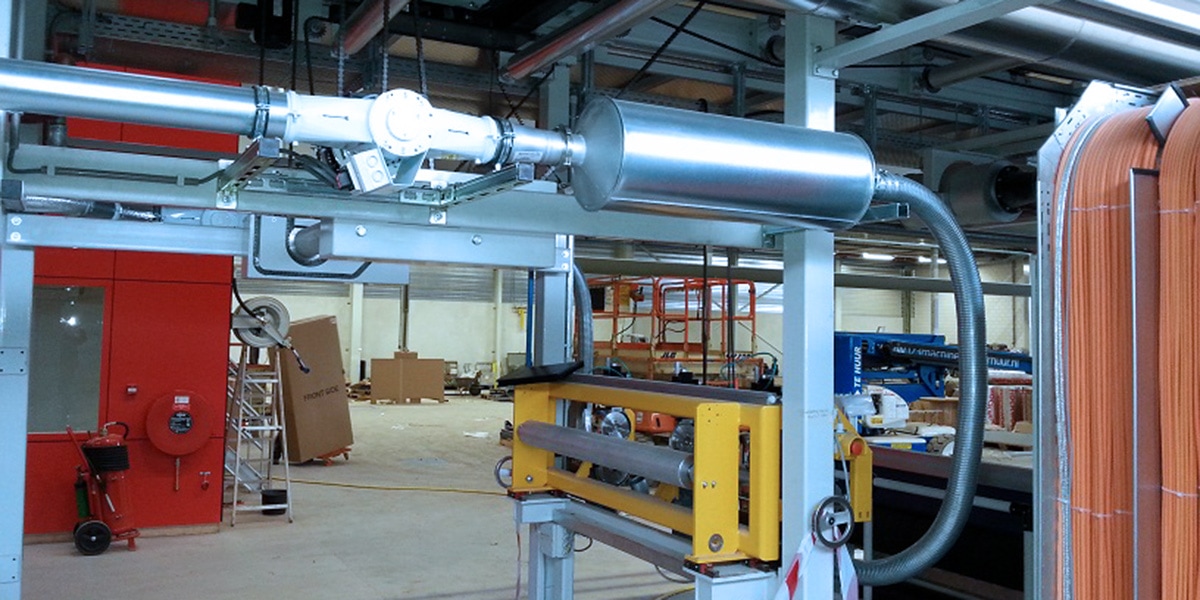
An international company known for their wall coverings needed a solution to gently transport trim and improve fire safety.
Learn More

Paper and printing operations generate constant trim, dust, and process scrap across slitting, converting, printing, and finishing lines. Confined work areas, tight changeovers between paper grades, and the need to keep different paper types separate for recycling all affect what a facility can recover in material value, while manual waste handling adds labor and slows down high-speed production.
Kongskilde pneumatic conveying systems remove trim, dust, and process waste directly from paper and printing production lines, routing it automatically to collection, balers, or recycling points. Systems are configured around your specific paper grades, printing equipment, and converting machinery, connecting directly to slitters, re-winders, commercial printers, and digital printing lines.

Featured Case Study
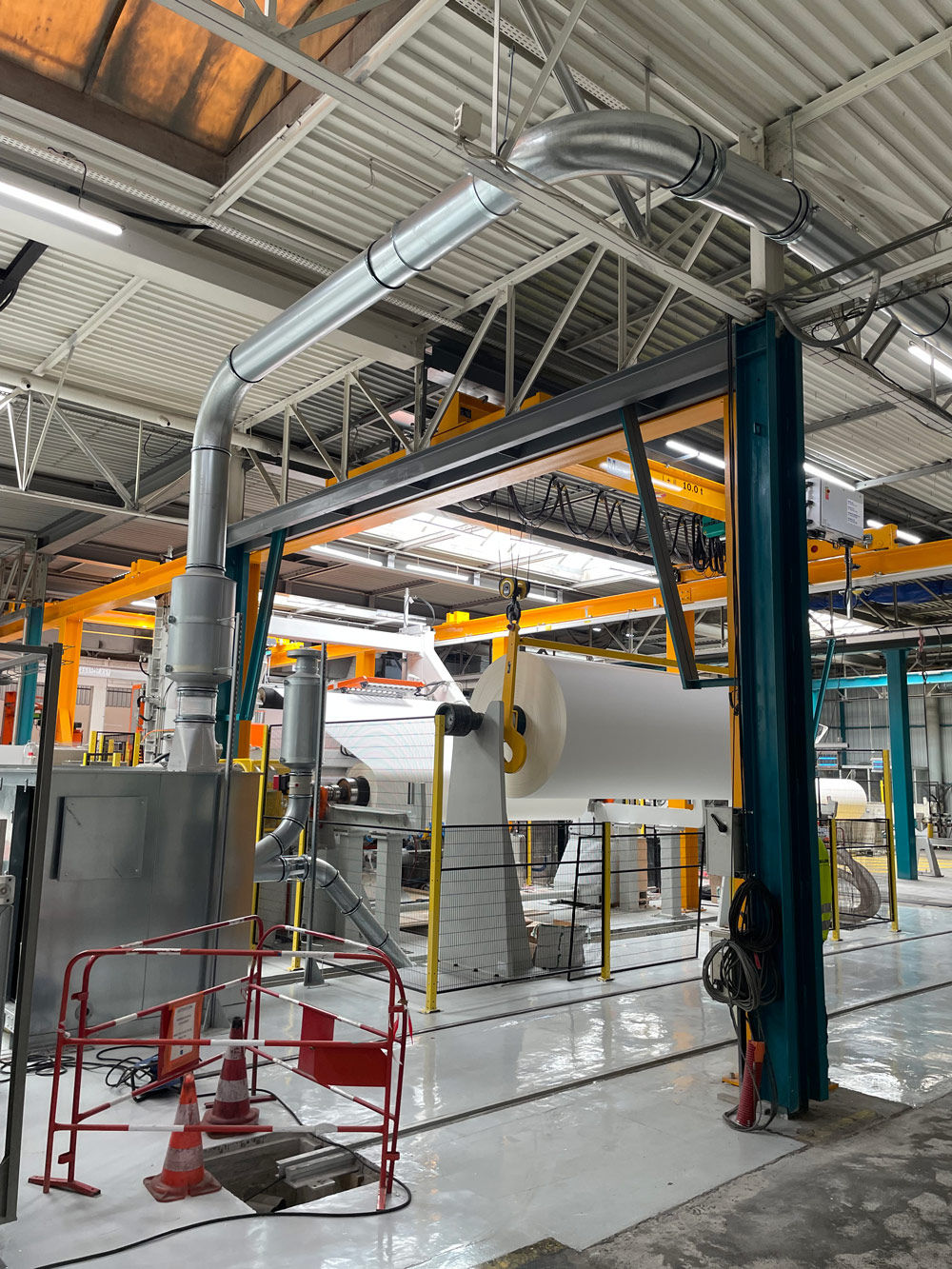
A book producer uses a central pneumatic system to remove paper trim and dust from five production lines. Automated collection reduces manual waste handling and production interruptions, while returning filtered, warm air to the hall helps lower heating costs.
We support a wide range of paper producers and printers with solutions tailored to their specific processes, challenges, and goals.
Don’t worry, we’re up for the challenge. Contact us, and we will find the right solution for your operation.
Our experience across the paper and printing industry becomes a practical advantage for you. From material flow to product quality and process efficiency, we apply proven knowledge to help you solve challenges and achieve reliable results.
Every custom system is backed by a full performance guarantee.
Fully engineered, installed, and backed by ongoing support from day one.
Expert guidance based on deep process and application knowledge.
A worldwide presence backed by regional support.
Every project is different, and so is every custom solution we deliver.
Tell us about your challenges, and one of our experts will follow up to learn more about your operation and discuss how we can help.
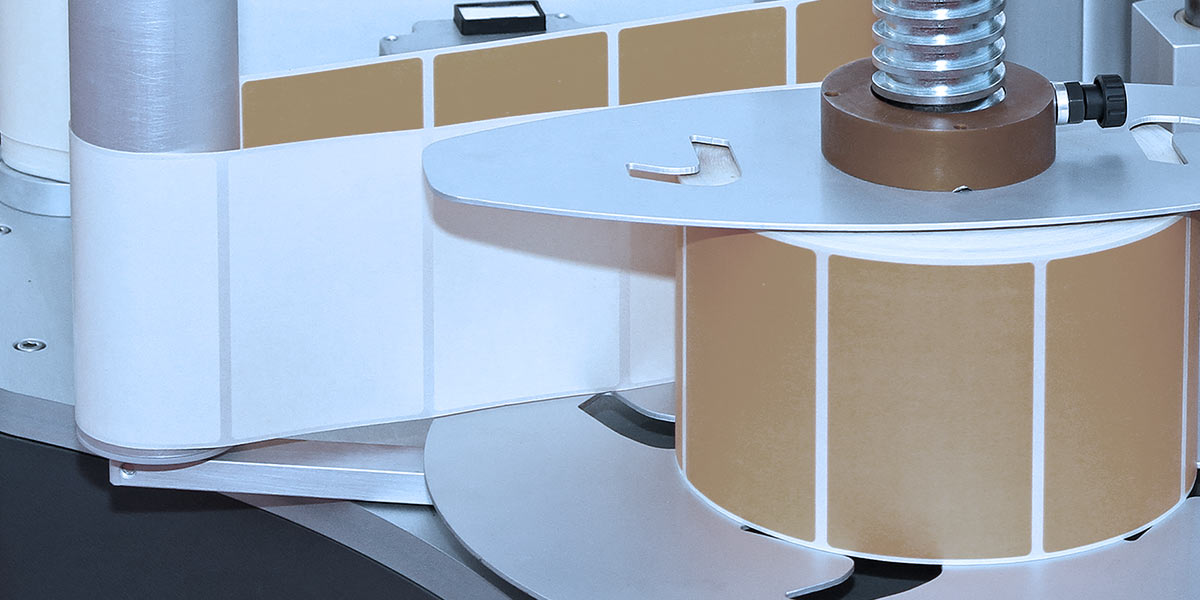
Kongskilde pneumatic systems are configured to convey a range of paper and paper-based materials, including tissue, label stock, and both coated and uncoated paper grades, moving trim, off-cuts, punch-outs, and matrix waste with dedicated conveying lines that can keep different grades, like hard white and color paper, separate for higher recycling value.
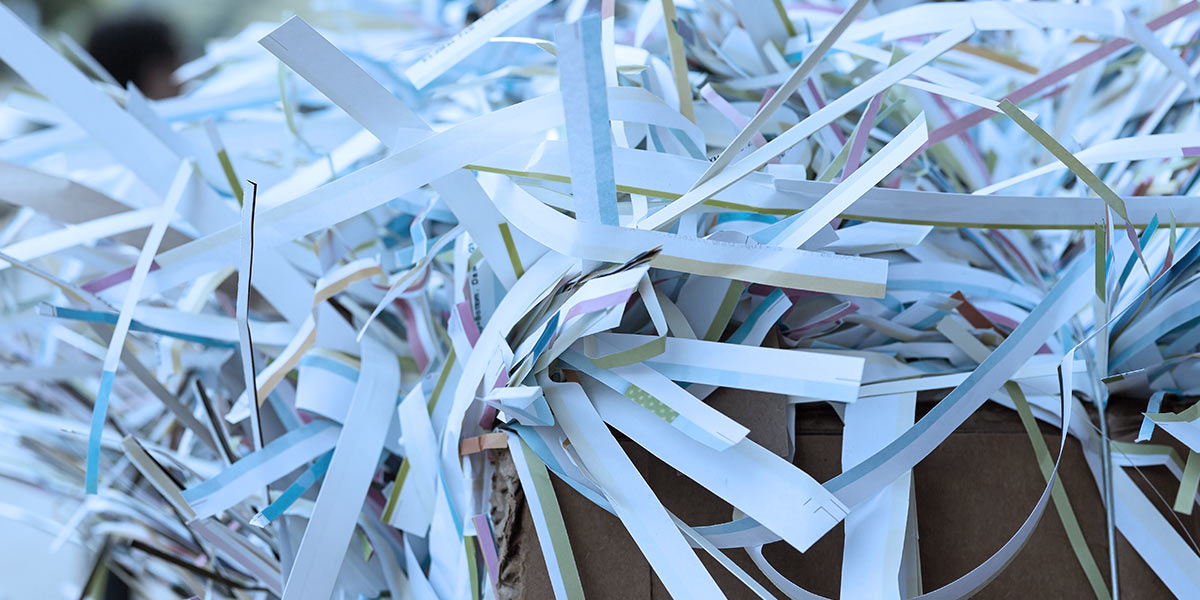
Edge trim can be removed as continuous trim or cut into smaller pieces during conveying. Continuous trim is typically extracted with a Venturi system and conveyed to a baler, where the longer waste can be compacted and strapped. For cut waste, cutters downsize the trim before it is conveyed to a compactor or collection system. Both methods remove waste directly from slitters and rewinders while production continues.
A paper granulator reduces paper, cardboard, trim, and off-cuts into smaller pieces for easier conveying, baling, or recycling. Pneumatic systems connect directly to the granulator, evacuating granulated scrap automatically so it moves straight to collection instead of building up around the machine.
Pin-feed printing on large commercial printers produces continuous dot matrix strips along the paper edge. These are extracted directly at the printer and conveyed away through closed pipes, the same way edge trim is handled on slitters, so the strips don’t build up around the machine.
Performance depends on the press or converting equipment, material, trim size and waste volume. Continuous paper edge trim can be handled at line speeds up to 1,000 m/min, with higher speeds possible under certain operating conditions.
Paper trim, pin-feed strips and die-cut waste can be conveyed up to 150 metres from printing and converting equipment. Longer distances may be possible depending on the material, waste volume, pipe route and operating conditions.
Enclosed pneumatic conveying is gentle on trim, off-cuts, logs, and punch-out material, contains dust and debris that would otherwise settle on product and equipment, and offers flexible routing that fits around existing slitters, converting machines, and printing equipment without requiring layout changes. Compared to manual collection or mechanical conveyors like belts, it reduces labor, contamination risk, and downtime from clearing blockages by hand.
Paper and printing producers can reduce energy use by sizing the system to the line’s actual waste volumes rather than running an oversized setup. Energy use depends on the paper grade, trim dimensions, conveying route, and required capacity. Matching blower performance to the application helps avoid unnecessary airflow. Kongskilde engineers evaluate each production line and select blowers and components to match.
Warm conveying air can be filtered and returned to the production hall where local regulations permit it, helping reduce heating demand. Where air recirculation is prohibited, the system is configured to discharge air outside.
Paper trim is extracted at the source and conveyed through enclosed pipes, with inline cutters downsizing material within the system. This keeps dust and debris contained during cutting and transport, reducing buildup around printing and converting equipment. Separators remove waste from the conveying air, while filters capture fine dust where required.
Trim from each machine is conveyed to its own baler instead of a shared waste stream. Multiple discharge points and diverter routing keep higher-value grades, such as hard white paper, separate from color stock through collection, which protects their resale value.
Yes. Kongskilde trim extraction systems use blower technology to pull edge trim directly from production lines and route it through conveying pipework to grinders or recycling points. Cutting units can downsize trim during transport, and the system integrates with separation equipment to keep material moving.