Home | Your Industry | Packaging

Pneumatic Waste Handling for Packaging Production

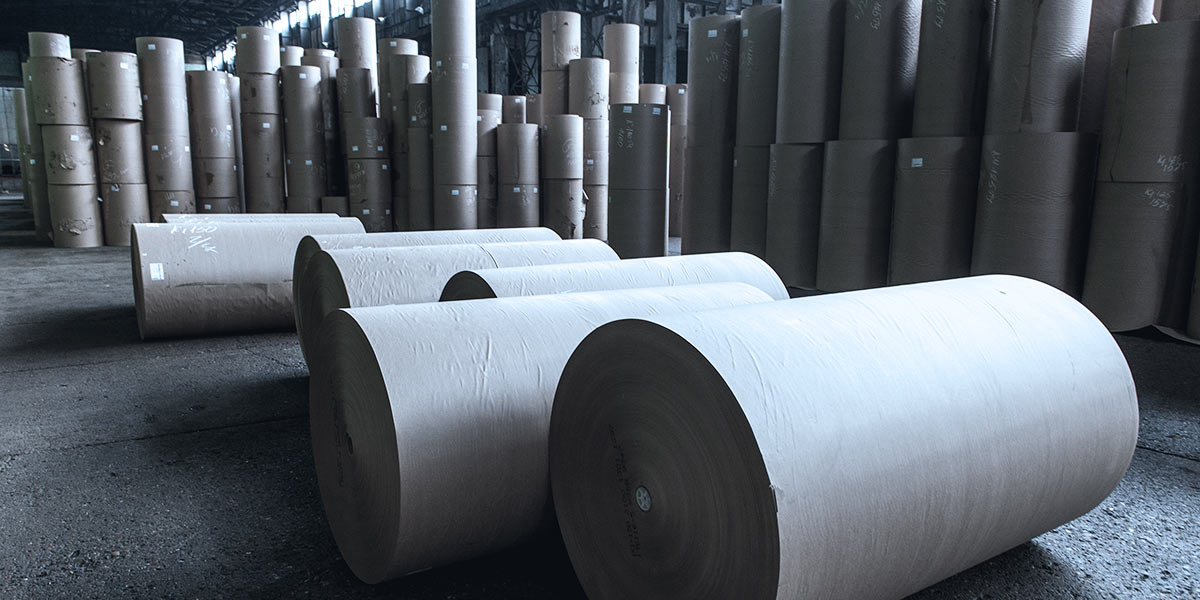
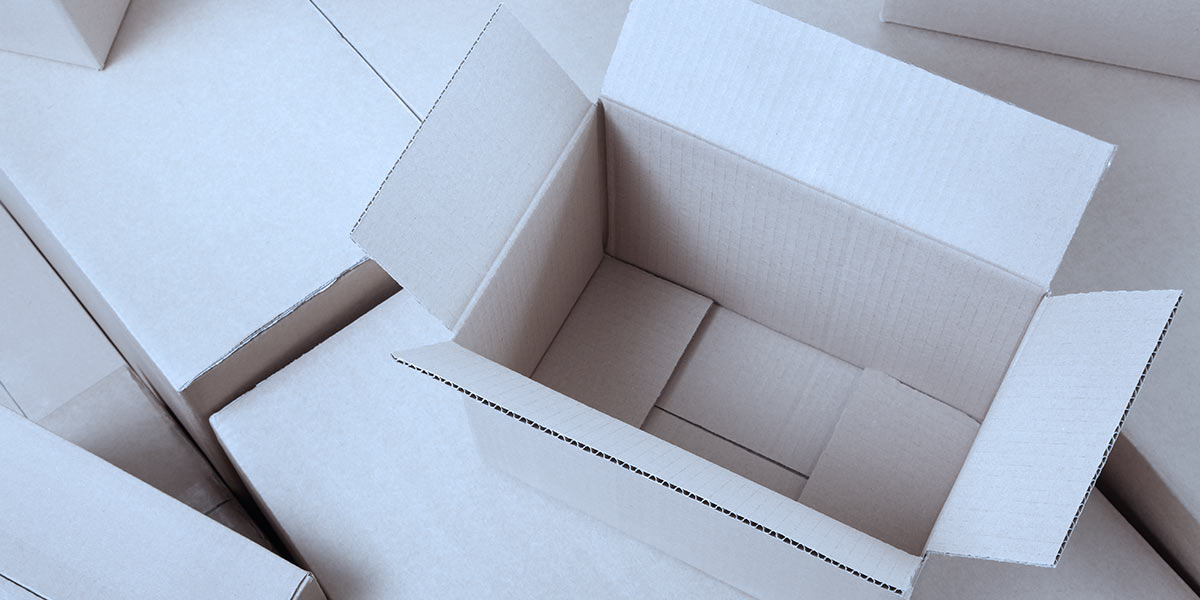
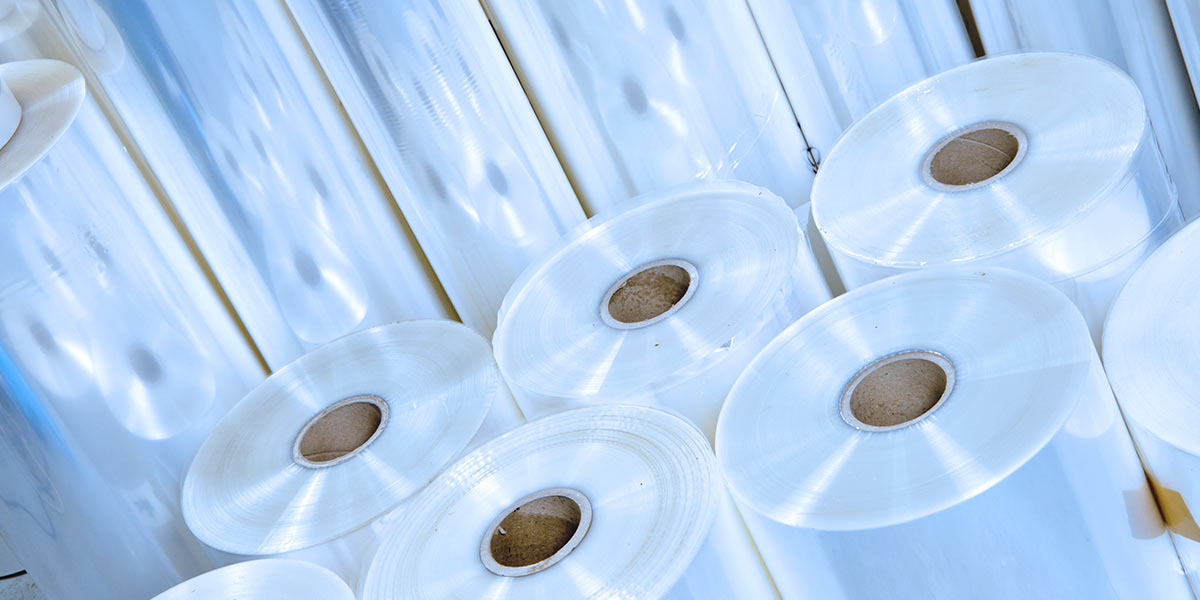
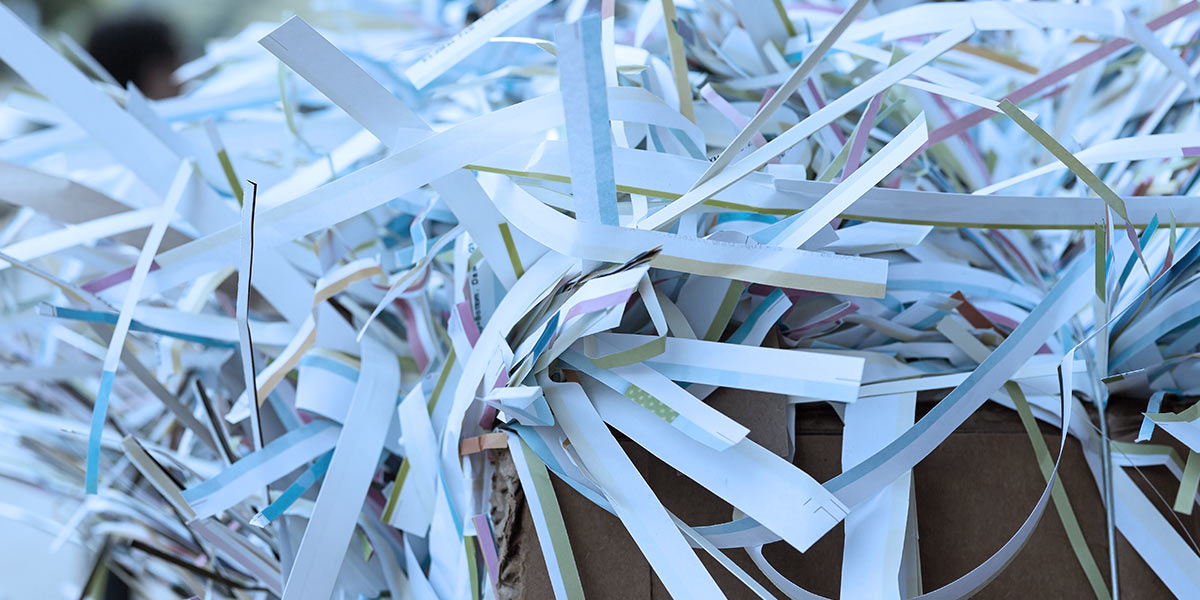
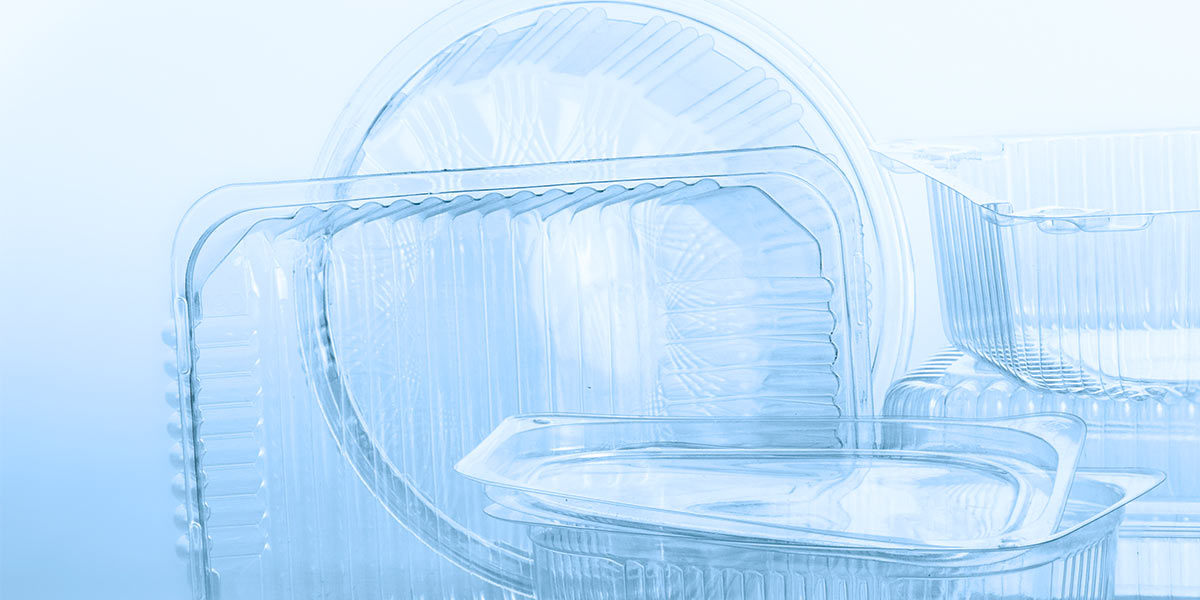
Packaging production spans rigid formats like thermoformed clamshells and blow moulded bottles, flexible film and pouches, corrugated and carton board, and foil or laminate materials, each generating its own mix of matrix, trim, and scrap. Manually managing these different waste streams across converting, printing, and packaging lines slows changeovers and increases floor space and manual labour requirements.

  • Managing high-speed waste streams: Continuous production of flexible film, pouches, corrugated board, cartons, and rigid packaging generates matrix, punch-outs, trim, and rejects that build up fast if not removed continuously.
  • Reducing material costs and scrap rates: Inefficient handling of trims and waste from films, laminates, paper rolls, cardboard, and other scrap leads to excess raw material use and lost recycling value.
  • Keeping production areas clean and safe: Dust, adhesive residue, and debris from converting and printing processes affect air quality and require manual housekeeping.
  • Addressing space limitations: Dedicated waste collection zones or balers take up floor space in carton, corrugated, rigid converting, and flexible packaging facilities.
  • Separating materials for recycling: Sorting diverse waste types, rigid trim, film, foil, and cardboard, without cross-contamination supports recycling value and cost recovery.

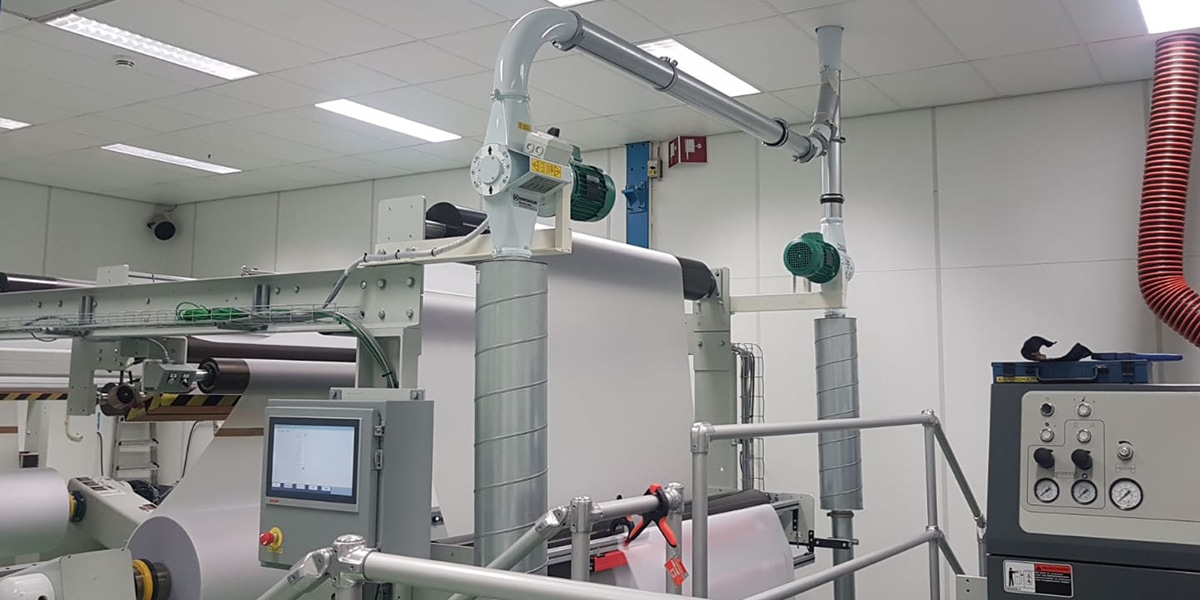
Every trim, punch-out, and off-cut your line produces is either moving toward recovery or piling up next to a machine. Pneumatic systems capture waste the moment it’s created, right at the slitter, die-cutter, or rewinder, so high-speed packaging lines keep running instead of stopping for cleanup.

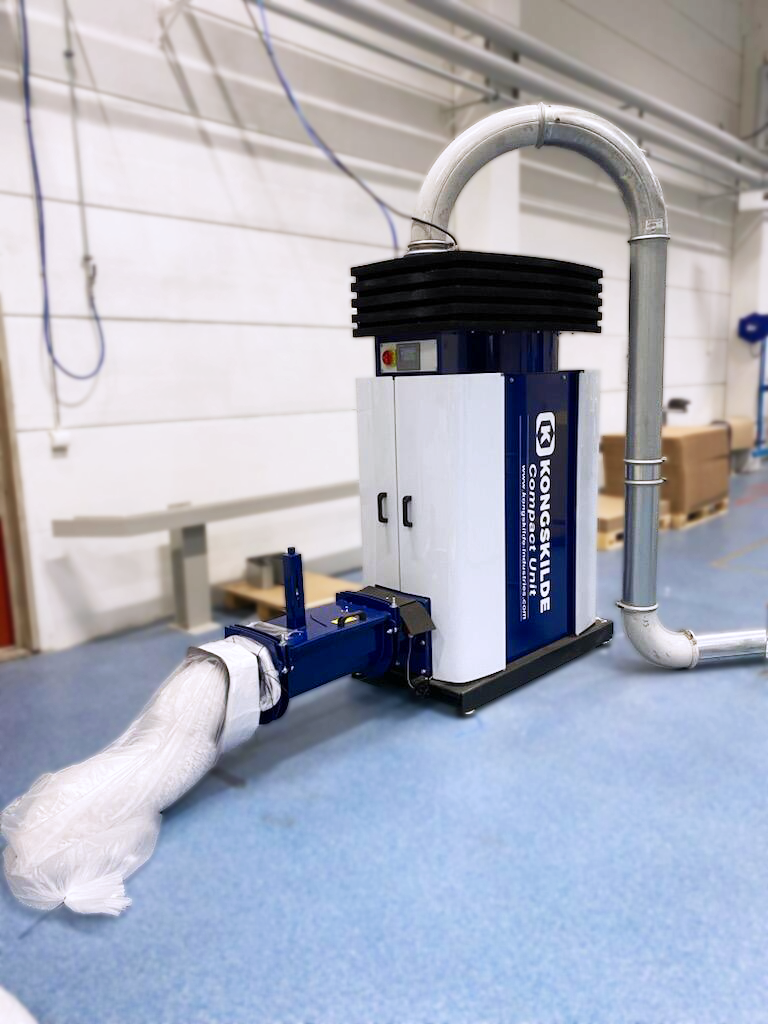
Systems are built from standard modular components such as blowers, separators, cutters, or all-in-one units, and sized to your line and waste streams.

  • Trim Handling and Downsizing: Pneumatic removal edge trim, matrix, punch-outs, and off-cuts from film, foil, paper, and cardboard converting lines. Cutters and shredders downsize waste where needed, while conveying systems can evacuate granulated plastic waste from thermoforming processes.
  • Dedusting and Separation: Filters and separators remove dust and fines from converting and printing operations, keeping the work environment clean and supporting material recovery.
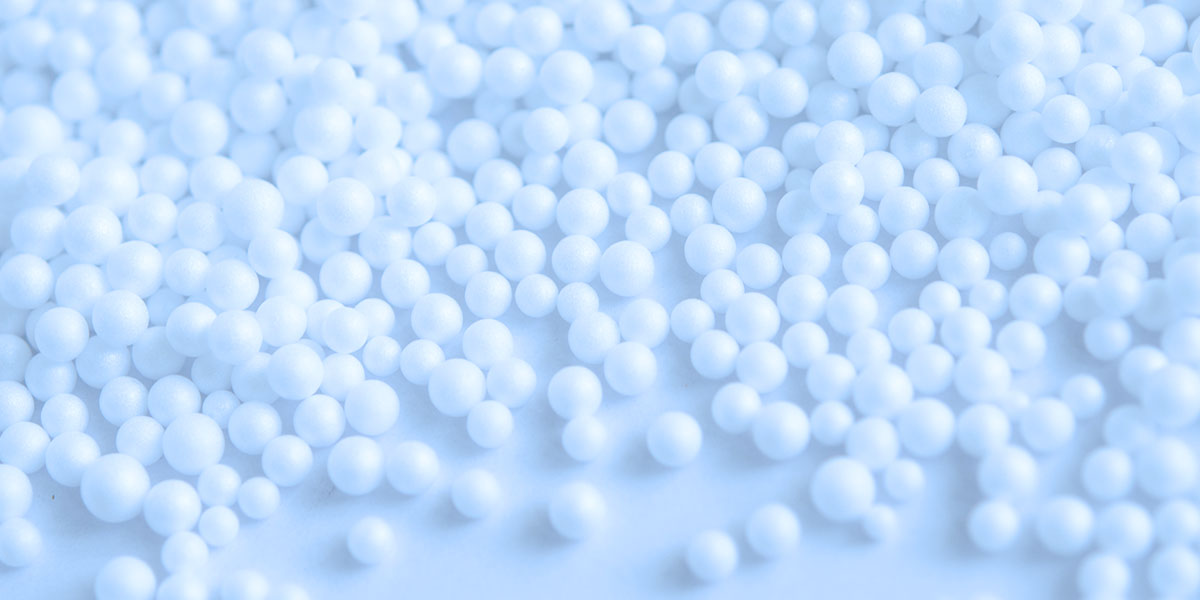
  • Pneumatic Conveying: Move trim, off-cuts, and shredded packaging waste through enclosed pipes to central collection points. Separate conveying configurations handle lightweight EPS and EPP granules between silos and trucks.

Flexible Packaging Waste Extraction and Shredding

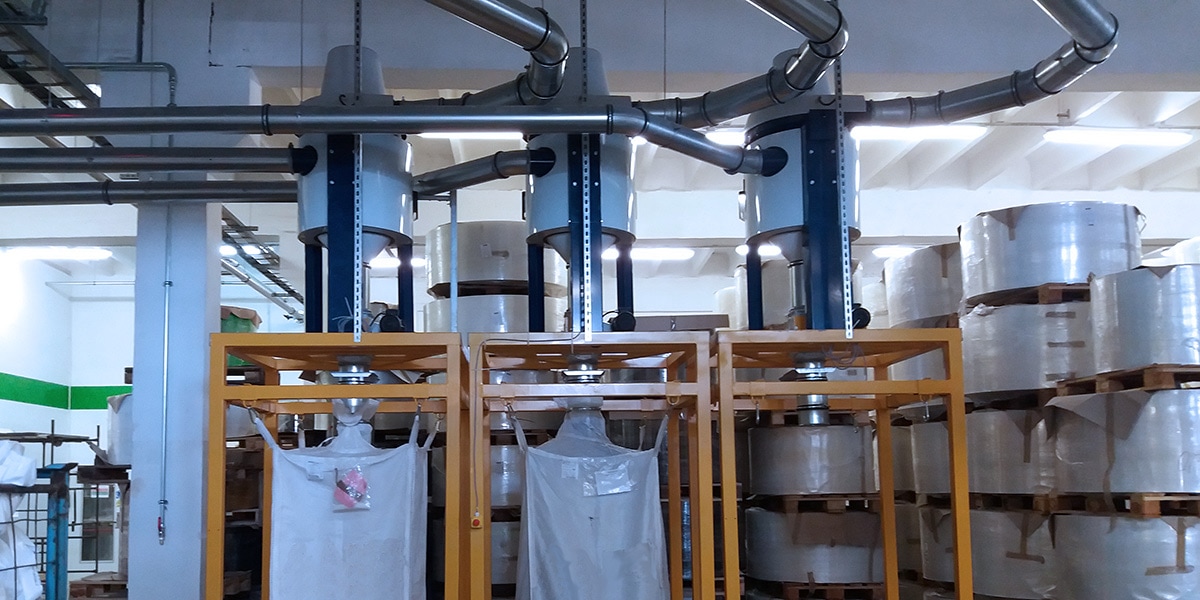
Manual scrap removal can’t keep pace with a flexible film line running at up to 400 m/min. A Polish flexible packaging producer now extracts and shreds trim automatically with MultiCutters and KU static separators, conveying it 95 m horizontally and 12 m vertically to collection.


Proven Solutions Across the Packaging Industry

We support a wide range of packaging producers with solutions tailored to their specific processes, challenges, and goals.

The Kongskilde Advantage

Our experience across the packaging industry becomes a practical advantage for you. From material flow to product quality and process efficiency, we apply proven knowledge to help you solve challenges and achieve reliable results.

Our Guarantee

Every custom system is backed by a full performance guarantee.

Complete Solutions

Fully engineered, installed, and backed by ongoing support from day one.

Your Expert

Expert guidance based on deep process and application knowledge.

Global Support

A worldwide presence backed by regional support.

Start the conversation today.

Every project is different, and so is every custom solution we deliver.

Tell us about your challenges, and one of our experts will follow up to learn more about your operation and discuss how we can help.

  • No obligation conversation
  • Solutions tailored to your process and materials
  • Support for new installations and system upgrades
  • Help identifying bottlenecks and improving material flow
  • Compact system designs for space-constrained facilities

Frequently Asked Questions

Which flexible packaging materials can be conveyed and separated?

Film, foil, laminates, and metalized laminates can all be conveyed and separated pneumatically. Each system is configured for the material it handles, with gentle handling and dedusting and separation that keep material suitable for in-house recycling.

What’s the difference between rigid and flexible packaging waste handling?

Rigid packaging, such as thermoformed clamshells or blow moulded bottles, produces matrix and skeleton waste that is typically granulated and evacuated after forming. Flexible packaging, such as film and pouches, produces continuous trim and off-cuts that are conveyed directly from the line. Each packaging waste handling system is configured for the material type.

Can a pneumatic system handle cardboard and carton packaging waste?

Yes. Pneumatic systems remove trim, punch-outs, and downsized skeleton waste from carton and cardboard production. They can also convey shredded scrap to a central collection point, baler, or compactor.

Can a pneumatic conveying system handle EPS and EPP packaging materials?

Yes. An Inline Venturi system can be used to convey low specific weight materials, such as EPS and EPP beads, to and from silos or trucks while maintaining bead density and integrity, reducing material cost in expanded bead packaging production.

What packaging line speeds can a trim extraction system support?

Performance depends on the packaging equipment, material, trim size and waste volume. Continuous film or foil edge trim can be handled at line speeds up to 1,000 m/min, with higher speeds possible under certain operating conditions.

How far can packaging trim and production waste be conveyed?

Packaging waste can be conveyed up to 150 metres from slitters, winders and converting equipment. Longer distances may be possible depending on the material, waste volume, pipe route and operating conditions.

How does pneumatic conveying reduce downtime in flexible packaging production?

Pneumatic systems remove trim, punch-outs, and rejects from the line continuously, so operators don’t have to stop production to clear waste by hand. Trim is extracted at the slitter or rewinder and conveyed through enclosed pipes to a central collection point, keeping the area around each machine clear.

How are matrix and trim waste removed from die-cutting and converting lines?

Waste is collected where it is produced and conveyed through pipes to a collection or recycling point. Cutters or shredders downsize continuous matrix or larger skeletons where needed, while separators remove the waste from the conveying air.

Can one waste handling system serve several packaging machines?

Yes. A central system can collect waste from several converting or printing machines. Capacity and airflow are matched to the waste volumes and the machines operating together.

How can pneumatic waste handling systems reduce energy use in packaging production?

Packaging producers can reduce energy use by sizing the system to actual waste volumes and using variable-speed blowers that provide only the suction needed for waste evacuation. Requirements depend on the packaging material, waste dimensions, conveying route and capacity. Where suitable, pressure conveying with an injector can also be used, with no moving parts in contact with the material. Kongskilde engineers select the conveying method, blower and components for each production line.

Can different packaging waste materials be kept separate for recycling?

Yes. Systems can use separate conveying routes or collection points to keep material streams apart. This supports recycling, but does not separate the bonded layers of laminates or make all packaging waste recyclable.