



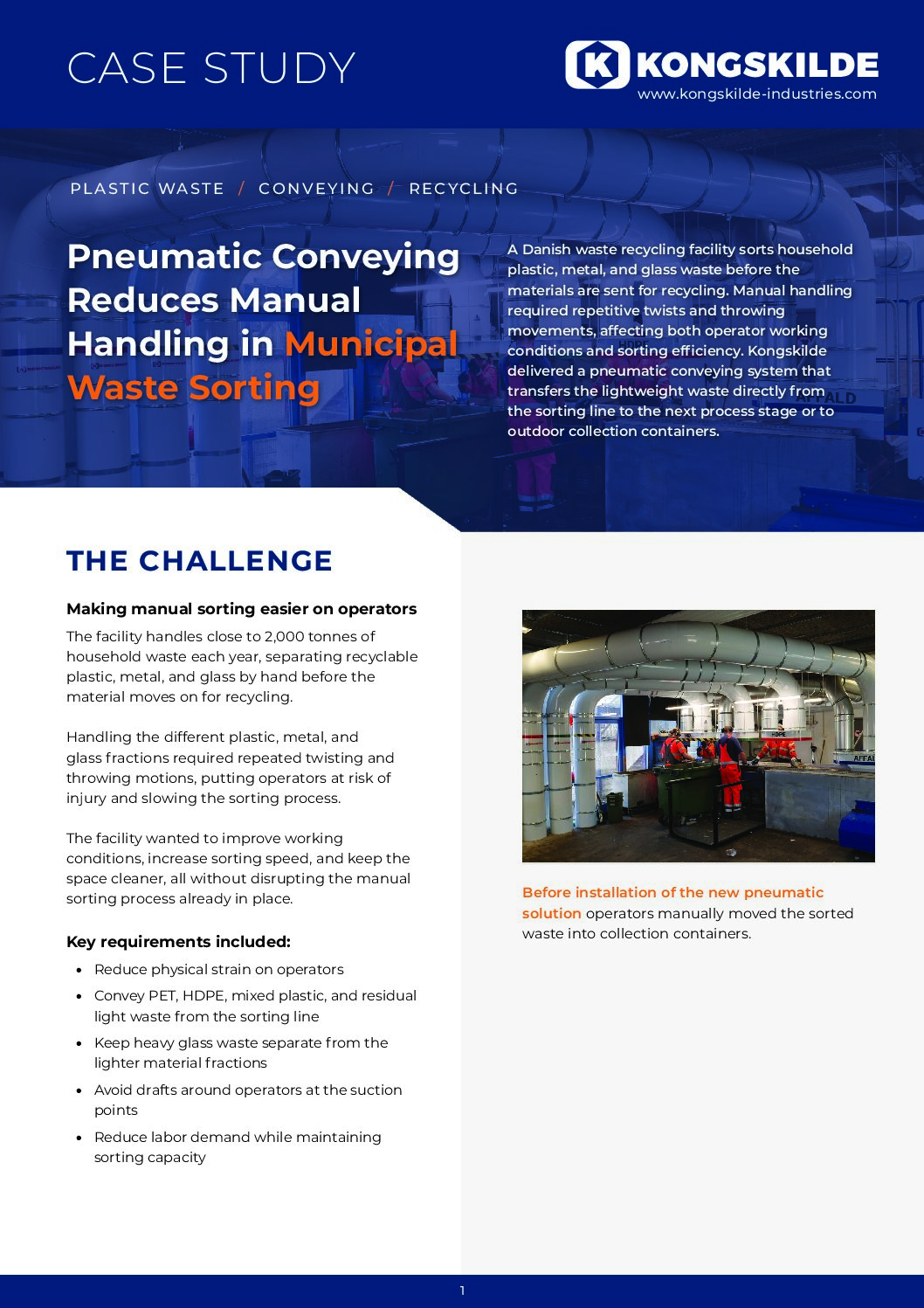
The Challenge: Sorting More Waste While Protecting Workers
TThe Danish Municipality collects plastic, metal, and glass from households and sorts them before sending them to a recycling plant where its reused.
- For the Municipality it was also essential to achieve a cleaner recycling facility worth showing to the people of the municipality.
- The Municipality faced efficiency and health challenges because the employees getting injuries due to the many twists and turns of their bodies when handling the different plastic containers and various sizes of glass and jars coming from the households.
- The solution should contribute to a faster and more efficient sort and both improve the working environment and minimize sickness leave so that the facility can sort even more HDPE, PET, and mixed plastic waste, metal, and glass.
The Facts: Material, System Requirements & Production Parameters
- Material: PET, HDPE and mixed plastic
- Suction points: 5
- Size: Ø400 mm diameter
- Flow: 277 tons every year
- Conveying distance: H: max 25m. V: max 5 m. 5 x 90 degree bends
Additionally, they wanted to sort and convey the plastic items to be transported to outside containers for recycling.
The Solution: Automated Pneumatic Waste Conveying and Sorting
Kongskilde engineered a custom pneumatic conveying system designed to automate the movement and sorting of household plastic, metal, and glass waste. The solution removes manual handling from the sorting process, improving both throughput and worker safety.
How the System Works
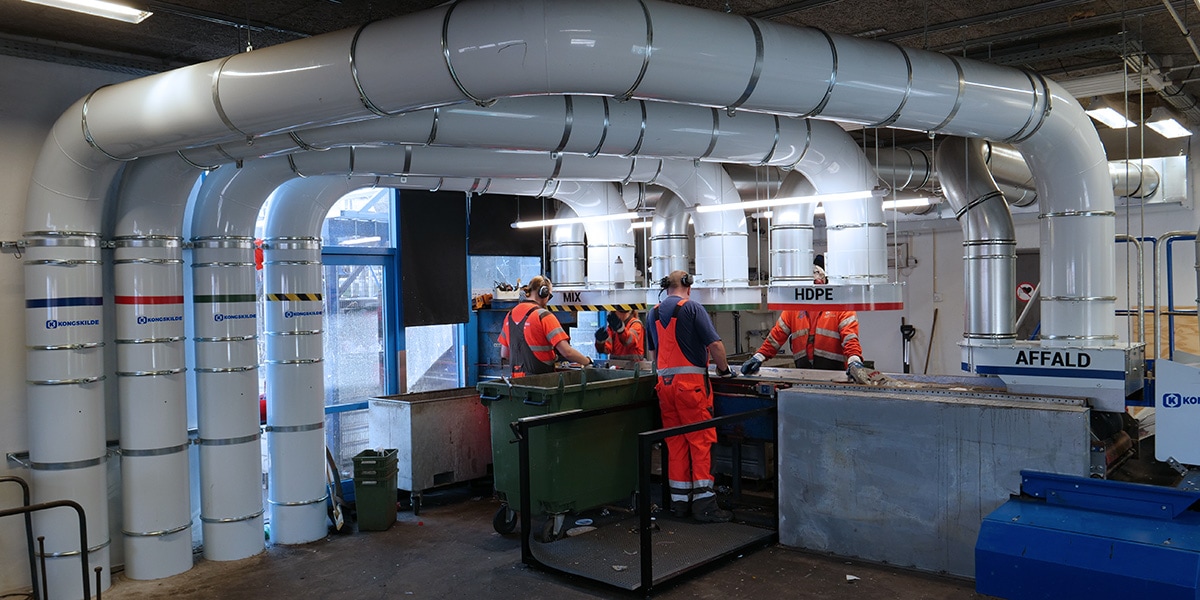
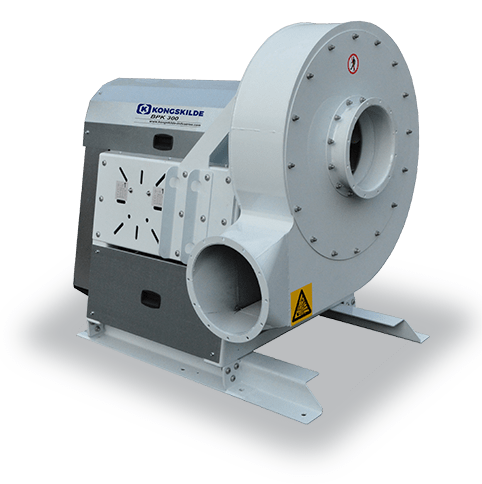
- FVO 400 Venturi units with air-return, operated by four BTK 300 blowers, convey waste from the size sorting unit to the central sorting belt conveyor.
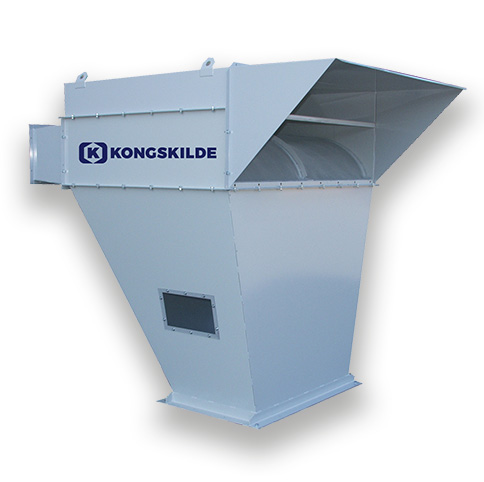
- One Venturi unit suctions light items from the edge of the conveyor belt, conveying them to a KU static separator that discharges material to the next belt conveyor, while glass is sorted out by gravity.
- Three suction heads positioned just above the conveyor belt capture material directly at the source, eliminating the manual twisting and turning previously required from workers.
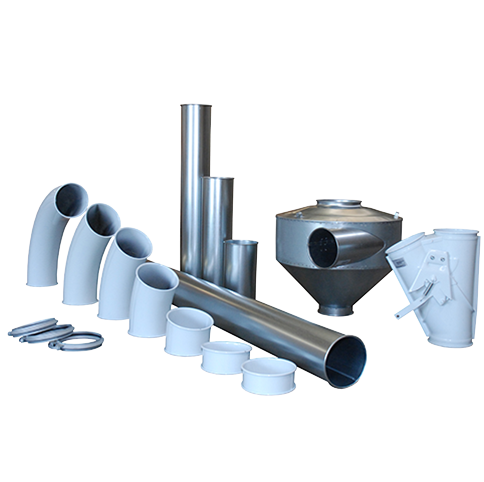
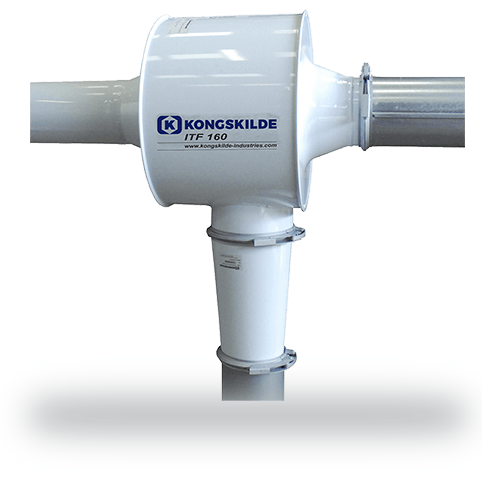
- Material is drawn through Ø400 piping to ITF 400 Venturi systems, from where it is blown into containers for transport to the recycling plant.
Key Operational Strengths
- Handles PET, HDPE, mixed plastics, metal, and glass within a single integrated system
- Reduces physical strain on workers by automating repetitive manual handling
- False air supply at every suction point maintains neutral room pressure, protecting worker health
Advantages & Benefits: Higher Throughput, Safer Workers, Lower Operating Costs
More Waste Sorted, With Less Labor
The pneumatic conveying system automates the movement and sorting of household waste, allowing the facility to process 277 tons annually without increasing headcount. The Municipality now sorts more material with one fewer staff member, reducing labor costs while maintaining output.
A Safer, Cleaner Working Environment
- Suction heads above the conveyor belt eliminate repetitive twisting and turning
- False air supply at every suction point maintains neutral room pressure
- Dust from household waste is captured, improving air quality throughout the facility
- Reduced physical strain lowers the risk of musculoskeletal injuries and sickness leave
Reduced Maintenance and Operational Costs
The elimination of airborne dust from the waste stream directly reduces wear on equipment and the time spent cleaning and maintaining the production facility. This leads to:
- Lower maintenance requirements across the sorting facility
- Fewer unplanned stoppages
- A cleaner, more presentable recycling environment
- More sustainable handling of over 2,000 tons of total household waste per year
See the system in action at the Danish Municipal Recycling Facility.
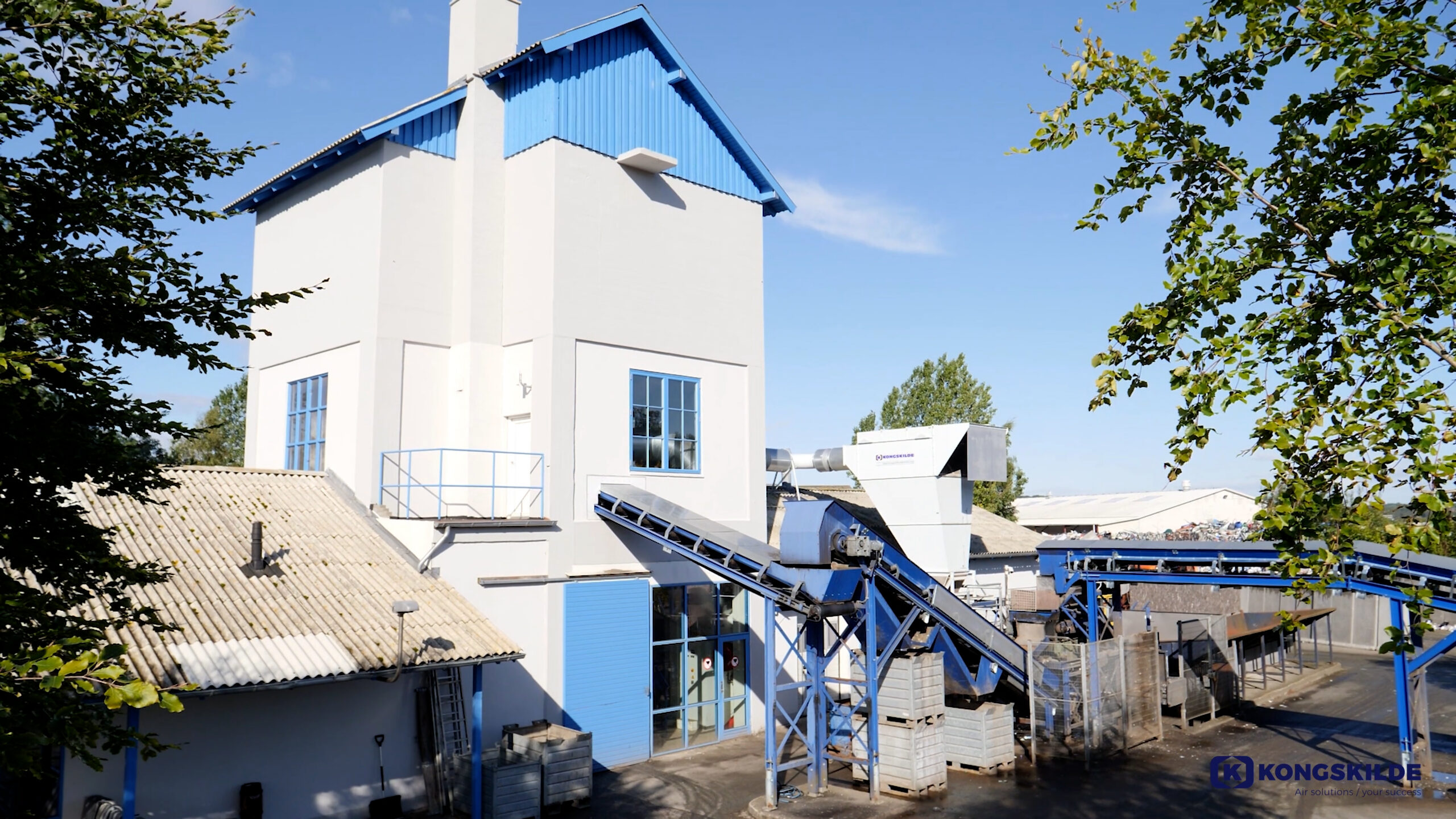
Plastic items are transported to outside containers for further recycling.
Download the full case study:
Explore Kongskilde Solutions for Conveying
Kongskilde provides complete pneumatic conveying and sorting systems for waste handling operations—helping facilities automate material transport, reduce physical strain on workers, improve air quality, and increase throughput without adding labor.
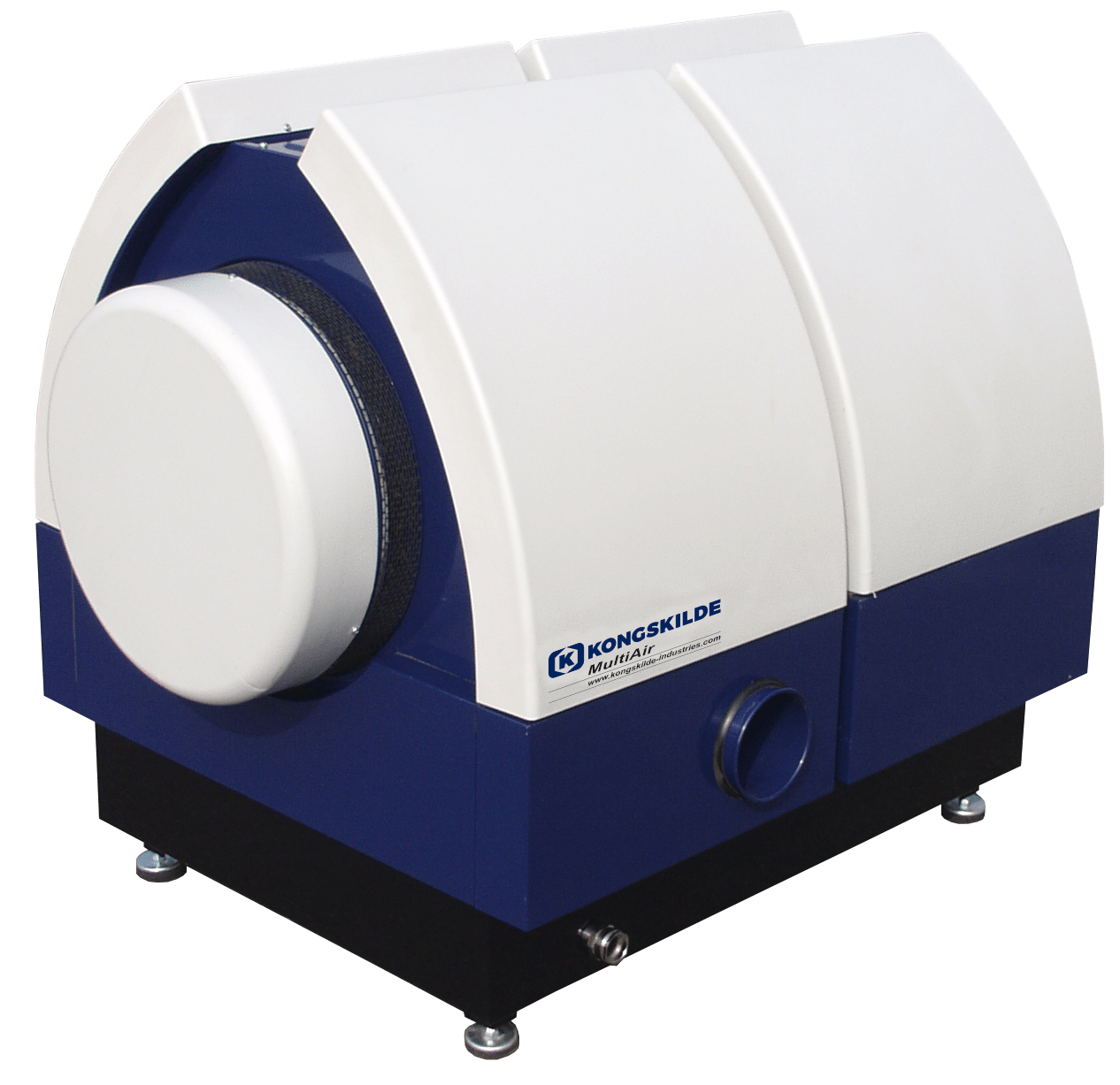
Optimize Your Waste Handling and Sorting
Looking to automate material conveying, reduce worker strain, and improve the efficiency of your recycling or sorting facility? Don’t hesitate to ask how we can help.