Home | Plastics

Pneumatic Solutions for Plastics Production

Plastics and rubber production lines generate constant material flow: film trim, dust-laden regrind, granules, and finished parts, all needing to move without slowing the line down. That regrind also needs dust removed and separated before it re-enters the process, or it carries contamination straight into the next batch. Keeping all of it contained, consistent, and out of the way of operators is where most producers run into friction.

  • Reducing costs and downtime: Inefficient or manual material handling, clogged conveying lines, and contamination from dust or debris can lead to unplanned downtime, higher scrap rates, and increased raw material costs across plastics production environments.
  • Increasing recycled content: Using more post-industrial recycled material can reduce dependence on virgin resin, but dusty or inconsistent regrind may be difficult to return to production reliably.
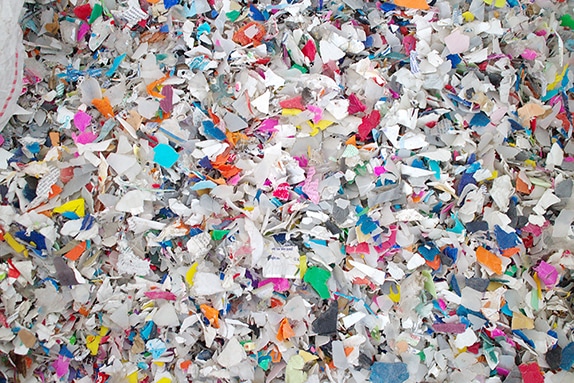
  • Maintaining regrind quality: Dust and light impurities in regrind can affect blending consistency, clog loader screens and filters, and contribute to moulding defects.
  • Controlling dust from granulators: Grinding sprues, flash, rejects, and scrapped parts can generate significant dust and fines that spread through the production area or enter downstream equipment.
  • Automating scrap handling: Manually collecting and moving sprues, flash, rejected parts, and regrind requires labour and can interrupt production flow.
  • Integrating with existing equipment: New conveying and dedusting equipment must fit around granulators, moulding machines, storage systems, and established production layouts.

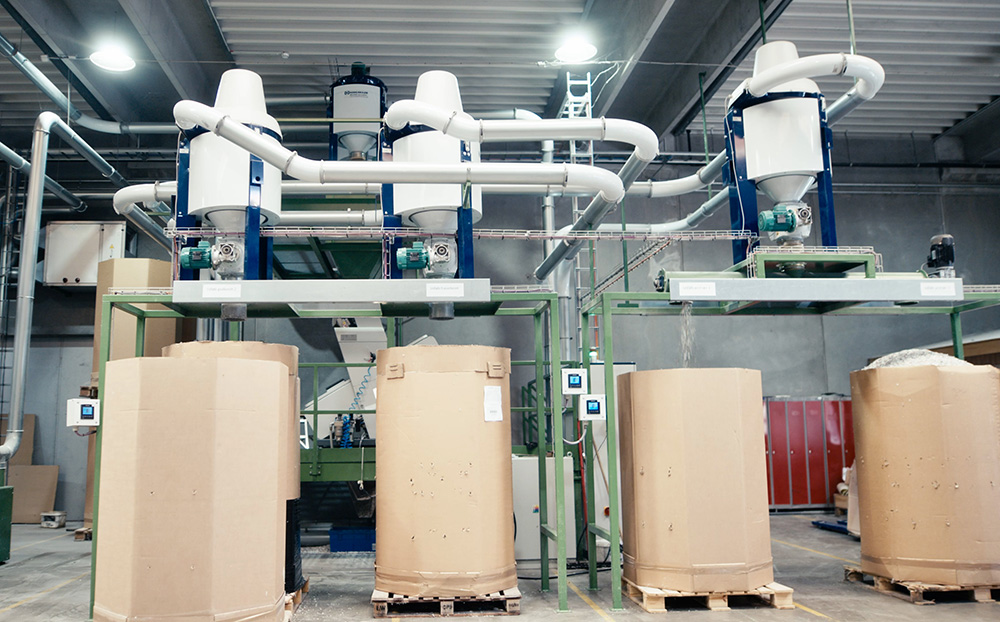
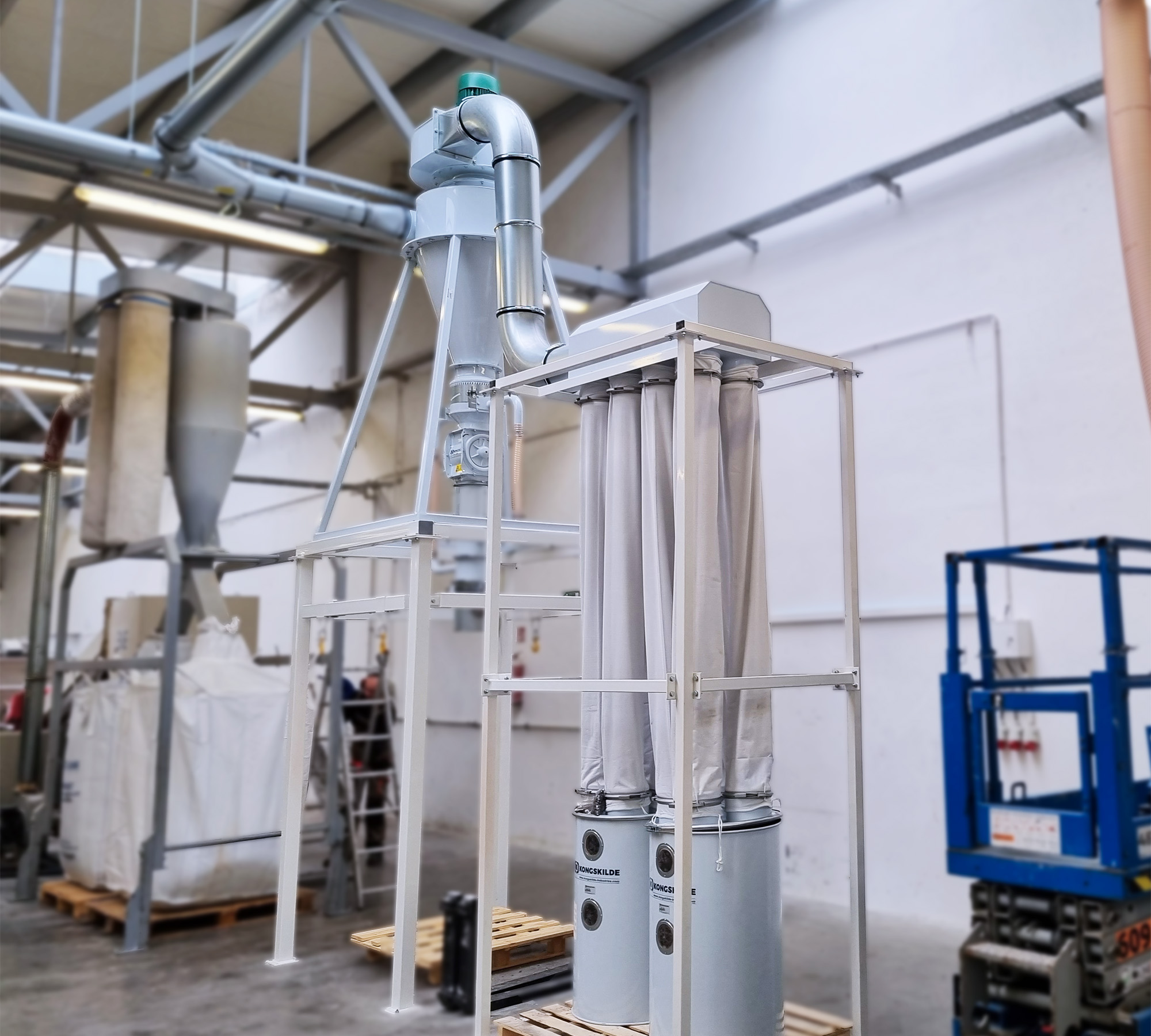
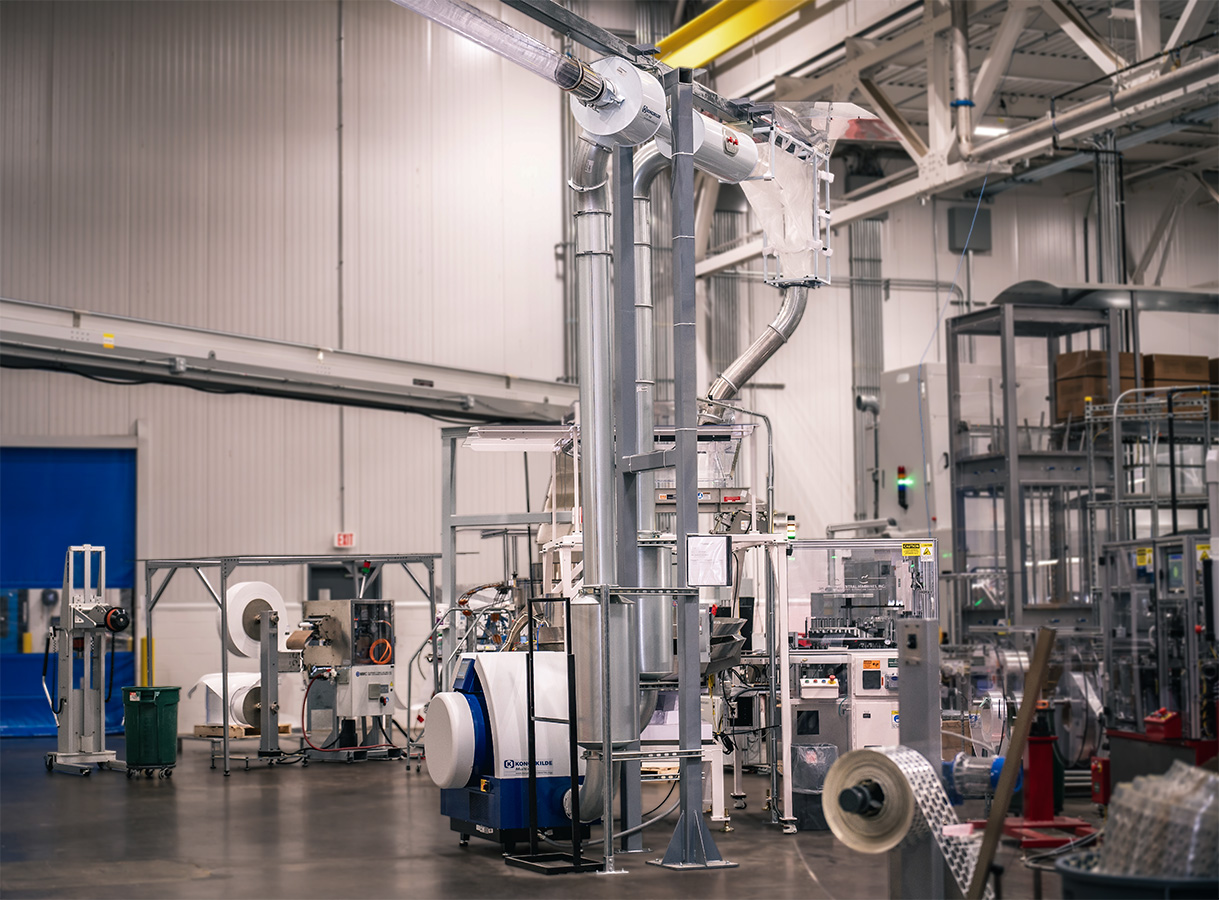
Kongskilde pneumatic conveying and dedusting equipment moves trim, regrind, and finished parts through the process while removing dust and fines before they affect material quality or clog downstream equipment. Systems are built to run continuously around existing granulators, moulding machines, and storage, with routing that keeps material contained and out of the way of operators.

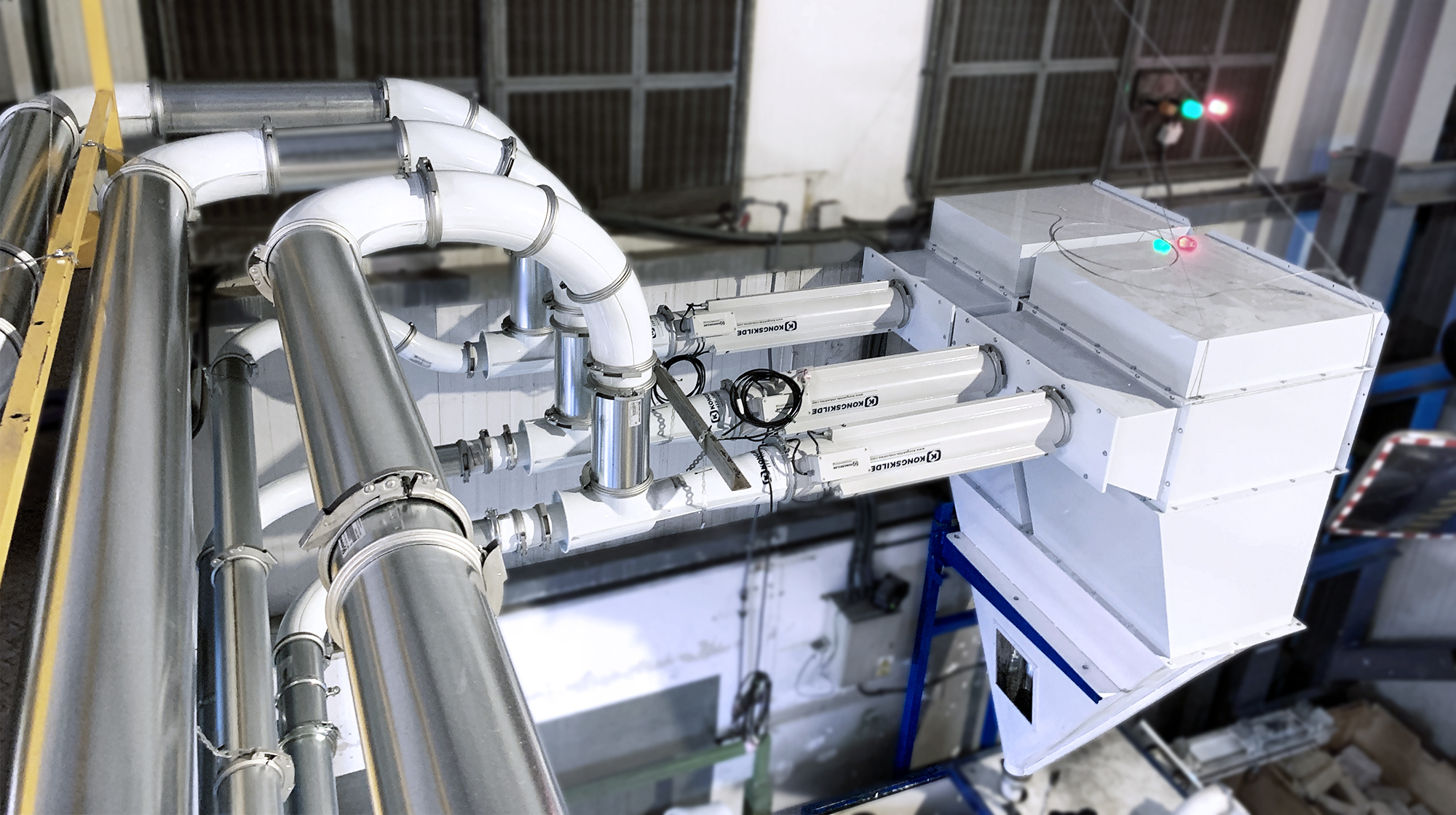
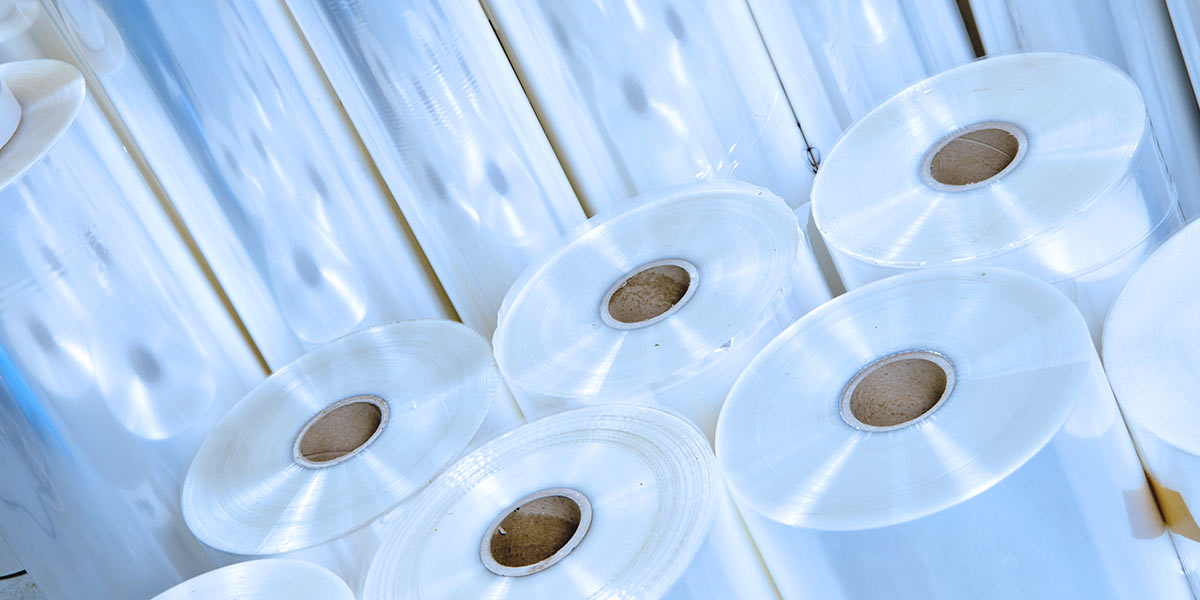
  • Trim Handling and Downsizing: Removing film, edge trim, and web waste directly from winders and slitters frees up floor space and reduces noise, without manual handling at the line.
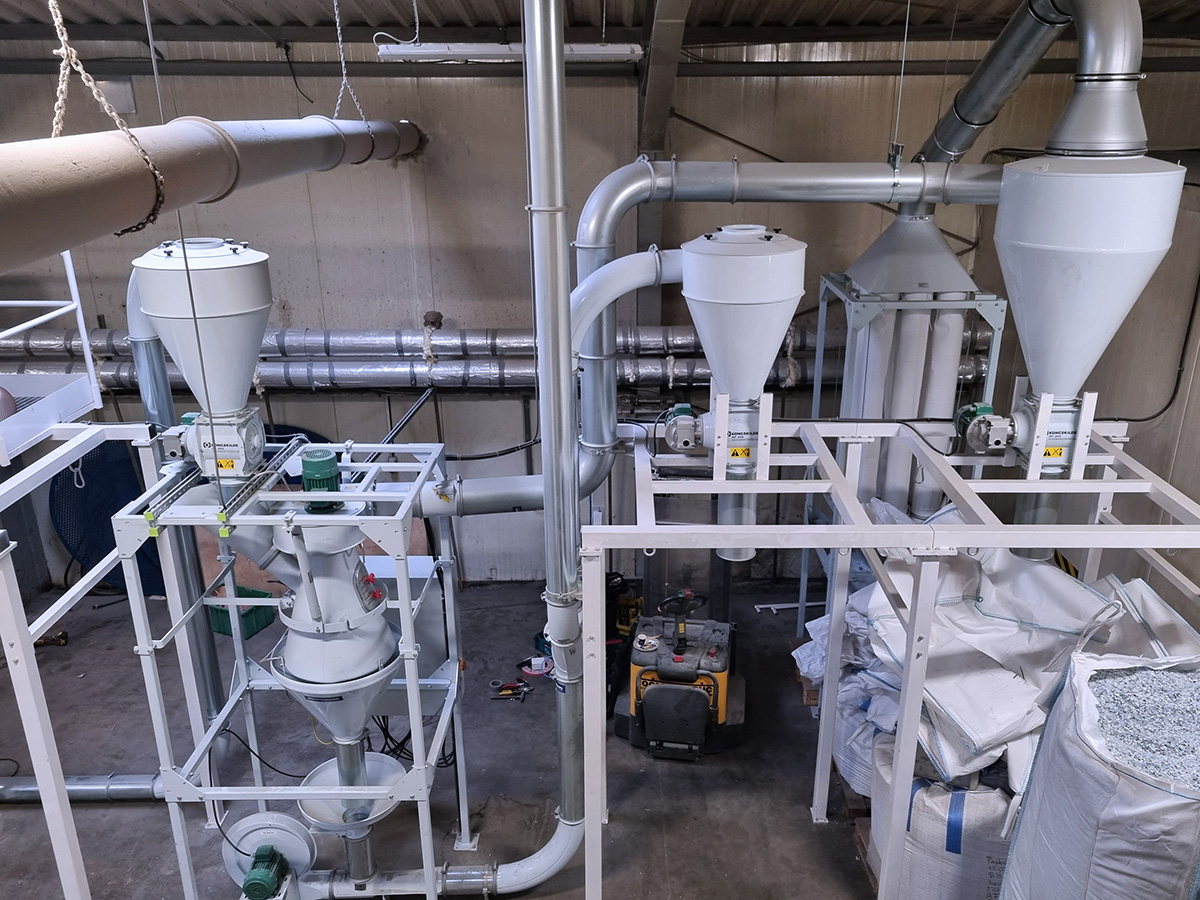
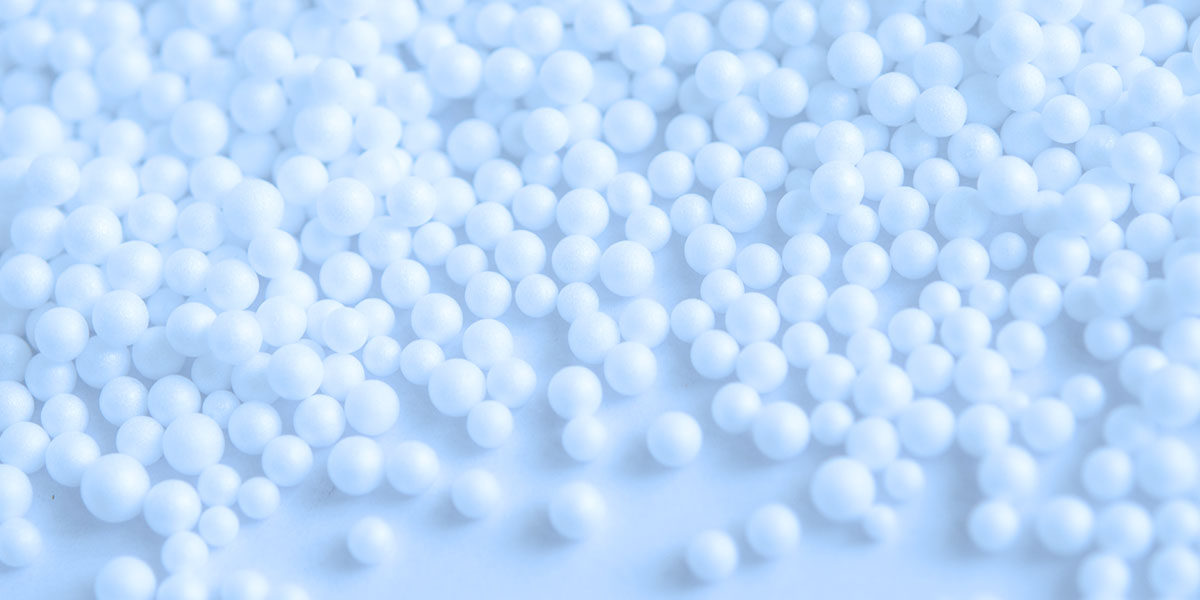
  • Dedusting and Separation: Removing dust and light impurities from regrind helps reduce filter and screen blockages and supports more consistent material quality before reuse.
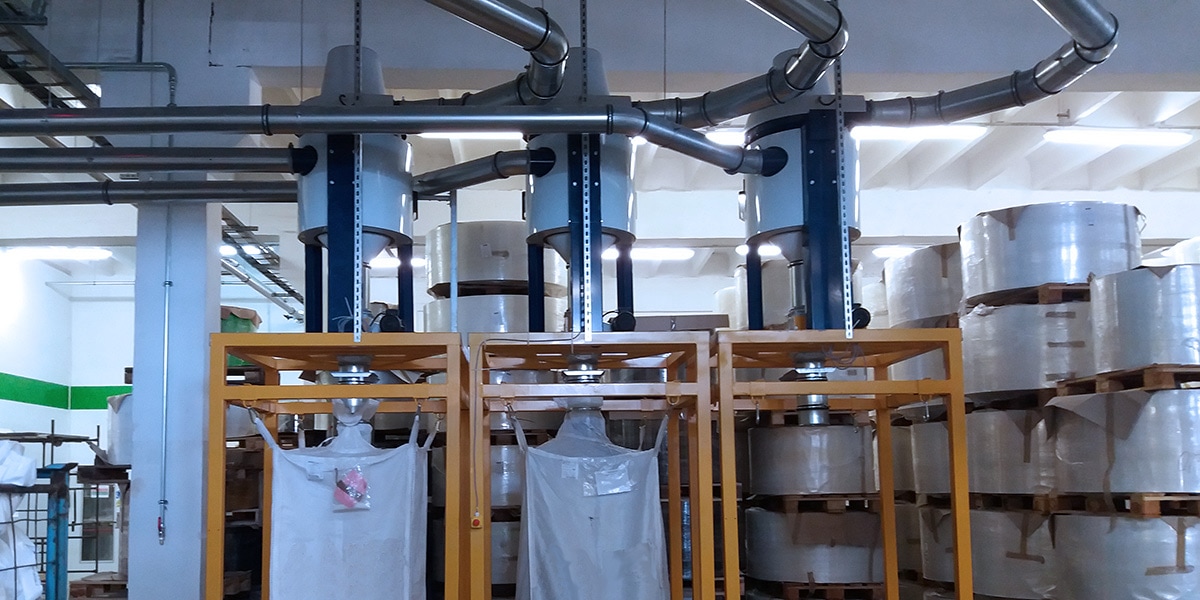
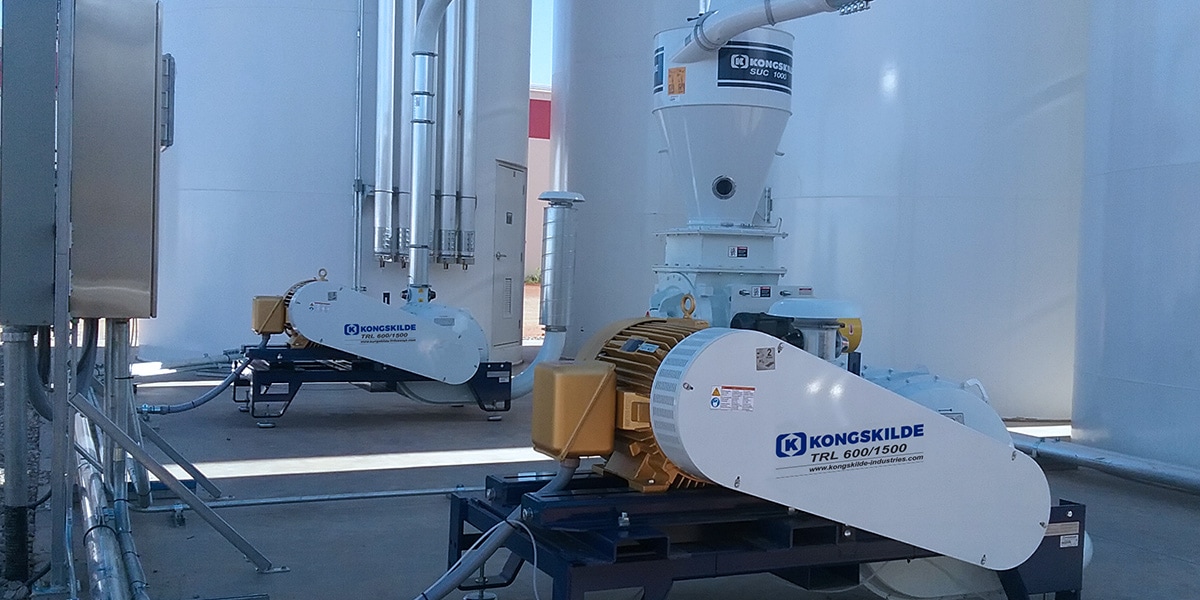
  • Pneumatic Conveying: Air-powered conveying moves granules, regrind, and moulded parts between grinders, hoppers, and moulding machines without manual scooping or open totes, keeping material contained and production moving.
  • Plastic Recycling: Conveying and separation equipment supports recovery of both post-consumer and post-industrial material, helping producers return more usable regrind to production instead of sending it to waste.

Automating the Path from Plastic Waste to High-Quality Pellets

Aage Vestergaard Larsen uses Kongskilde equipment to support the conversion of household plastic waste into high-quality recycled pellets. KIA Aspirators remove dust and light contaminants, while MultiEvacuators transport the cleaned and sorted material to the melting stage.

See how our solutions perform in real-world applications. Explore related case studies to learn how plastic processors and recyclers have improved efficiency, enhanced material quality, and solved complex challenges with Kongskilde systems.


Proven Solutions Across the Plastics Industry

We support a wide range of plastic processors with solutions tailored to their specific processes, challenges, and goals.

The Kongskilde Advantage

Our experience across the plastics industry becomes a practical advantage for you. From material flow to product quality and process efficiency, we apply proven knowledge to help you solve challenges and achieve reliable results.

Our Guarantee

Every custom system is backed by a full performance guarantee.

Complete Solutions

Fully engineered, installed, and backed by ongoing support from day one.

Your Expert

Expert guidance based on deep process and application knowledge.

Global Support

A worldwide presence backed by regional support.

Start the conversation today.

Every project is different, and so is every custom solution we deliver.

Tell us about your challenges, and one of our experts will follow up to learn more about your operation and discuss how we can help.

  • No obligation conversation
  • Solutions tailored to your process and materials
  • Support for new installations and system upgrades
  • Help identifying bottlenecks and improving material flow
  • Compact system designs for space-constrained facilities

Frequently Asked Questions

Which polymers can be dedusted and conveyed pneumatically?

Most polymers used in plastics processing and recycling can be dedusted and conveyed pneumatically.

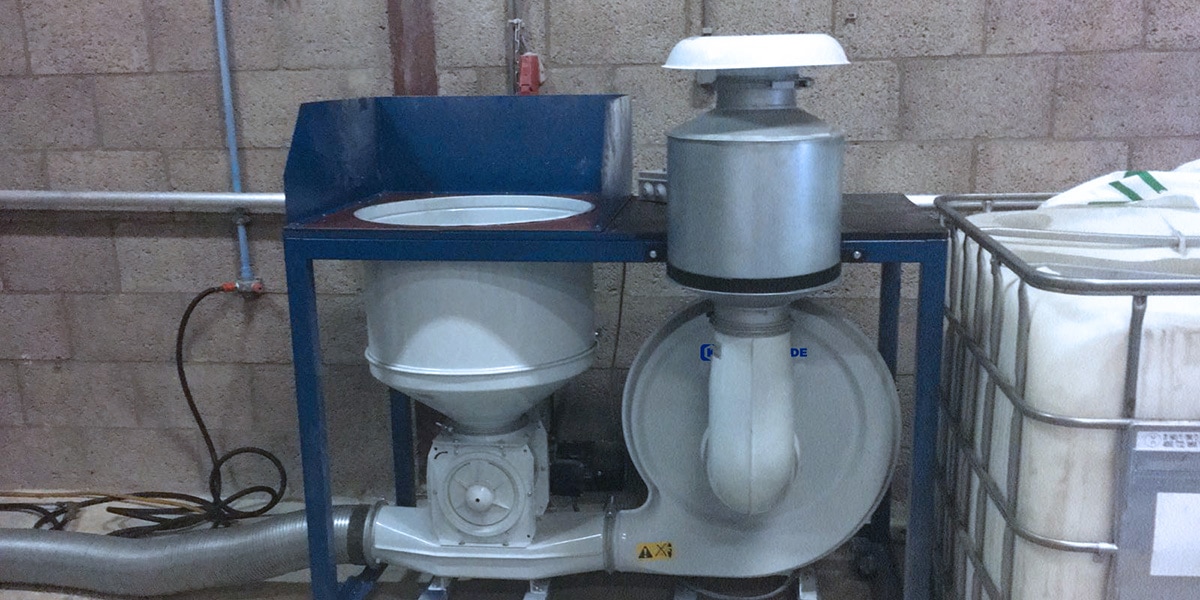
Kongskilde’s AirWash system is a combined blower and cyclone system that is suitable for many materials including PP, PE, HDPE, PET, ABS, nylon, polystyrene, acrylics, and polycarbonate. KIA aspirators are another solution for dedusting. They remove dust and light impurities from granulated and shredded plastics, including label fragments, during the PET recycling process. Suitability depends on the material’s form and characteristics, with testing available to assess the application. Other materials may be suitable, and testing at our Technology Center can confirm which system is the best solution for your dedusting needs.

How does pneumatic conveying reduce manual handling in plastics production?

Pneumatic conveying moves material through enclosed pipes, reducing manual transfers between production stages. Pipes can be routed horizontally, vertically, and around existing equipment, helping free up floor space and keep material moving through production.

What are the advantages of pneumatic plastic conveying over traditional methods?

Pneumatic conveying uses air to move material through an enclosed pipe system, which often reduces manual handling, housekeeping, degradation, and contamination compared with mechanical handling. Additionally, since pipes can be routed overhead, it typically requires less floorspace. Kongskilde pneumatic conveying systems are sized to each line and can connect directly to existing production equipment.

How do you convey static-prone or sticky plastics without clogging?

Static charge can cause lightweight material and dust to cling to equipment surfaces. Antistatic options and inline ionizers help neutralise these charges. Adhesive waste may require non-stick pipes or specially configured collection equipment to reduce material buildup. The right approach depends on the material and where the problem occurs. The AirWash and CUB offer optional anti-static features, and an inline ionizer is available to neutralize static buildup during conveying.

What support does Kongskilde offer for plastics industry customers?

Kongskilde builds customized systems from a wide catalog of conveying and dedusting equipment, matched to your polymers and production goals. Our Technology Center is available for testing and validation before installation, and our team provides preventative maintenance, spare parts, and support through offices in key regions, along with training and consultation as your process evolves.

How is edge trim removed from film and converting lines?

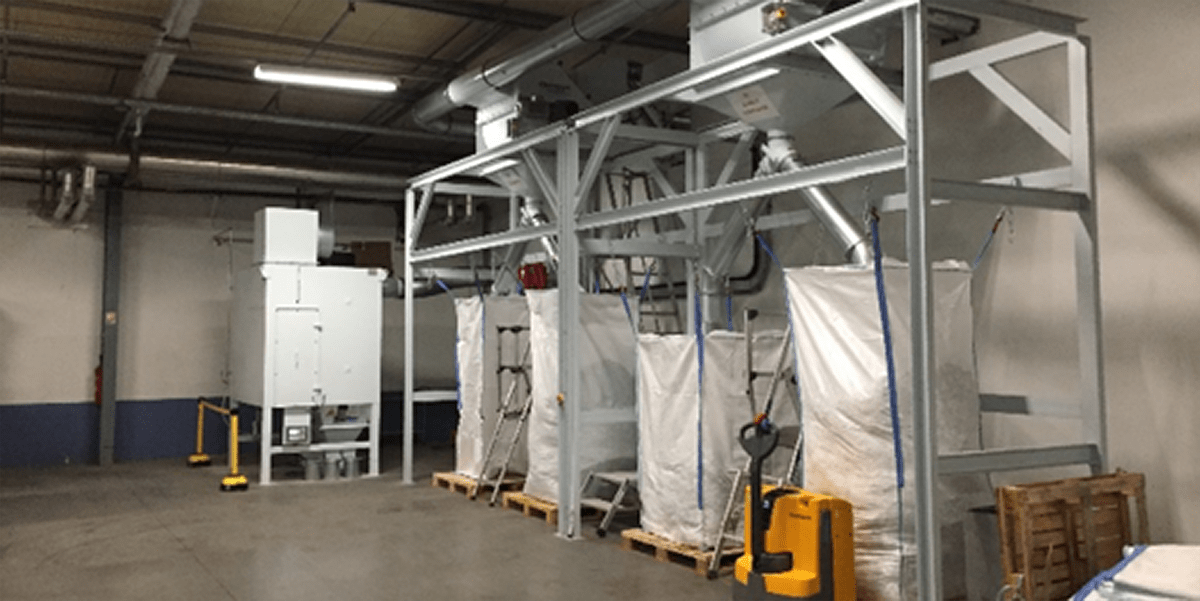
Edge trim is extracted directly at the winder or slitter and conveyed away through a pipe system while the line keeps running. Trim can be downsized with cutters in the conveying line and delivered to an air/material separator for disposal, reuse, or recycling, with different materials kept separate. Removing trim at the source frees up floor space and saves operators time by replacing manual trim removal with an automated system.

Does plastic edge trim need to be cut before conveying?

Plastic edge trim does not always need to be cut before conveying. Venturi systems can convey continuous trim without cutting, while other configurations use inline cutters to downsize it. The approach depends on the material, production speed, and collection requirements.

Can one trim extraction system serve several production machines?

Yes. A central system can collect film waste from several rewinding or cutting lines and convey it to a shared collection point. System design must account for the machines operating together and the waste each generates.

Where is plastic film waste collected after extraction?

After separation from the conveying air, film waste can be discharged into a container, baler, or compactor. The arrangement depends on waste volume and how the material will be recycled or disposed of.

Why is it important to remove dust and fines from plastic regrind?

Removing dust and fines from plastic regrind reduces clogged loader screens and filters, lowering maintenance and supporting moulding machine uptime. Cleaner regrind blends and melts more consistently, helping reduce rejected parts and visible defects in clear moulded components while limiting dust throughout the plant.

How do you remove dust and fines from plastic regrind?

Dust and fines can be removed from regrind with air-based dedusting and separation before the material returns to production. The AirWash is an adjustable combined blower and cyclone that dedusts and conveys pellets, granules, flakes, and regrind in one step. KIA Aspirators are another option to separate dust, fines, and light contaminants such as label fragments from granulated plastics.

How does pneumatic conveying support optical sorting systems?

Automated conveying feeds material into the optical sorter continuously and consistently, allowing multi-pass sorting to run without manual intervention between cycles. This keeps material quality consistent throughout the process and can be added to an existing facility with minimal structural changes.

How can plastic conveying systems reduce energy use?

Significant energy savings for plastic producers comes from sizing the system to the line’s actual throughput rather than running an oversized setup. Energy use depends on the material, conveying route, required throughput, and equipment selection. Matching blower performance to the application helps avoid unnecessary airflow. Kongskilde engineers evaluate each production line and select blowers and components to match.

Can these pneumatic solutions integrate with existing granulators or production lines?

Yes. Kongskilde conveying and dedusting equipment can be integrated directly with existing granulators, extruders, moulding machines, and optical sorters so producers can add inline material handling without reworking their production layout.