



How smarter material handling improves uptime, efficiency, and ROI
In plastics manufacturing, increasing output is often associated with investing in new machines. Yet many production gains do not come from only adding equipment. Instead, they can come from improving how materials move through the production process.
The way materials move through a production process rarely receives the same attention as production equipment. Yet the transport often determines whether a production line runs efficiently or struggles with interruptions.
When the materials move smoothly and predictably between processes, production lines operate more consistently, downtime is reduced, and manufacturers are able to get more value from the equipment they already have.
Across the plastics industry, manufacturers are under increasing pressure to maximize efficiency. Raw material costs fluctuate, sustainability goals are becoming more ambitious, and skilled labor can be difficult to find.
Under these conditions, improving operational flow can deliver significant returns without requiring major capital investments.
Do not let poor flow disrupt production
Materials must be delivered reliably to machines, recycled material must return to the process, and waste must be removed without interrupting production.
Production waste such as trim, off-cuts, regrind, or flash still contain valuable material. When managed efficiently, these materials can be processed and reintroduced into the production stream.
In many facilities, however, waste handling is often not fully integrated into the production process. Instead, it is treated as a separate task that requires operators to periodically remove scrap, transport it for processing, and prepare it for recycling. These extra steps can introduce delays and disrupt the flow of production.
“A lot of factories still handle waste manually,” explains Kongskilde CCO, Greg Bacon. “Someone collects it, moves it, processes it, and eventually returns it to production. Automatic conveying removes those interruptions and keeps the production line running continuously.”
By reducing manual handling and enabling smarter automated transport, manufacturers can prevent waste from becoming a bottleneck that slows down the entire process.
Closing the loop on production waste
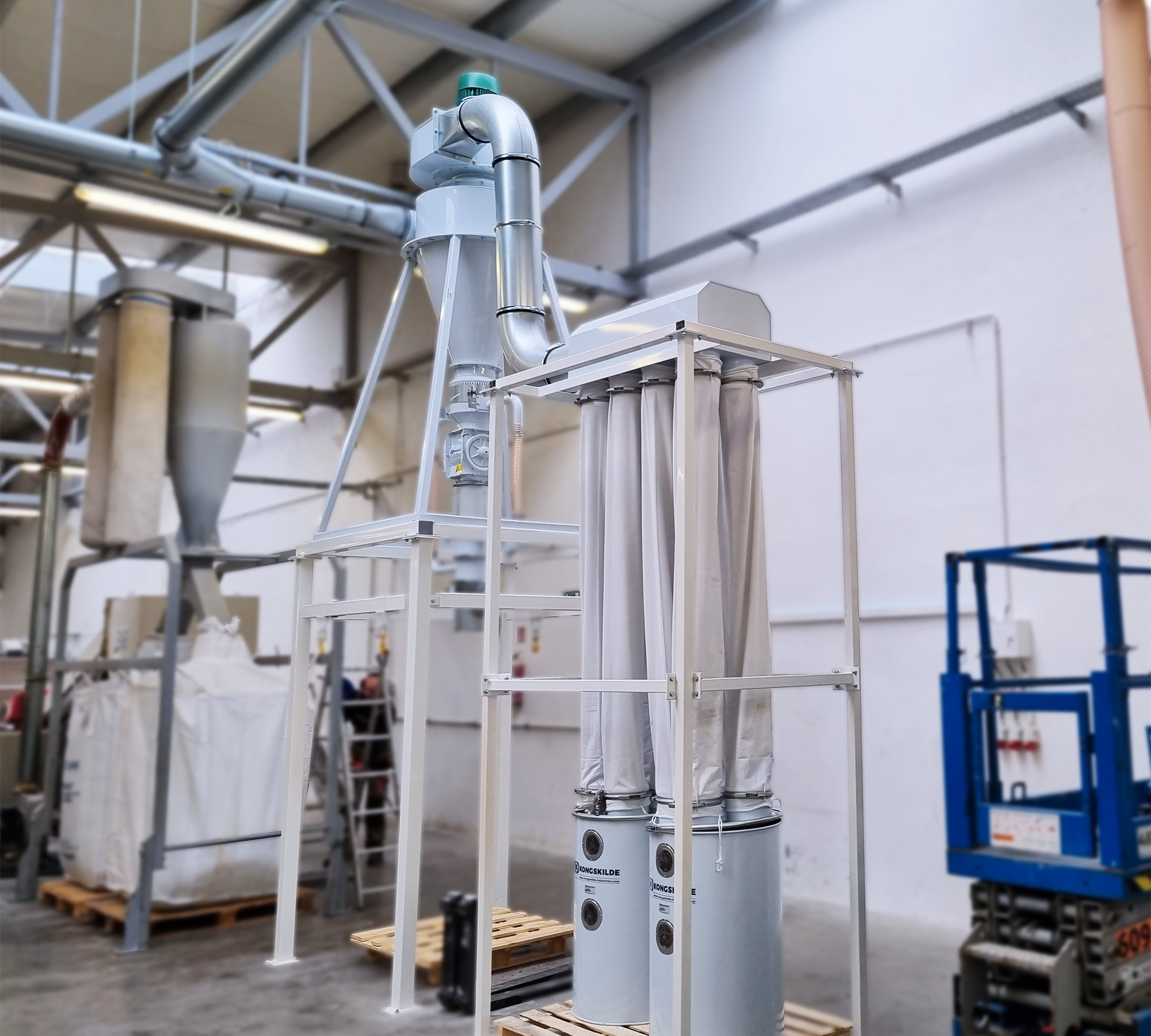
Modern production environments increasingly focus on recovering and reusing materials as quickly as possible. When waste moves directly from a production machine to the next processing stage, such as grinding, de-dusting, or recycling, it becomes part of a continuous loop rather than a separate process.
“The real advantage is when waste can move straight from the machine, get processed along the way, and go right back into the production stream without anyone touching it,” Greg Bacon explains.
A closed-loop approach allows valuable material to be reused quickly and consistently. This reduces reliance on virgin material while maintaining steady production conditions.
Just as importantly, continuous waste handling prevents accumulation around machines, which can otherwise lead to disruptions or slowdowns on the production floor. By removing trim, scrap, or regrind directly from the process, manufacturers can significantly reduce the need for manual housekeeping and cleanup. This helps keep production areas safer and more organized while allowing operators to focus on higher-value tasks. Over time, reducing manual waste handling and routine cleanup can support greater factory automation, lower labor requirements, and contribute to improved overall operational efficiency.
Small efficiency gains, significant financial impact
Improving the performance of an existing production line often delivers a greater return on investment than expanding capacity. In fact, studies show that material handling activities can represent for between 15% and 70% of total manufacturing costs.¹
This is why small operational inefficiencies, such as waste buildup, manual handling delays, or inconsistent recycling processes, can gradually erode productivity. Over time, these interruptions translate into lost production hours, higher labor requirements, and increased material costs.
Often the underlying issue is not the machine itself but the surrounding process.
For example, grinding plastic waste can produce fine particles and dust. If these particles remain in the recycling stream, they may clog downstream equipment such as extruders. Clearing those blockages requires stopping production, cleaning the system, and restarting the line. Interruptions that can quickly add up over the course of a week.
“When the material going back into the process is clean and properly prepared, the production runs consistently,” Greg Bacon says. “That creates ripple effects throughout the entire production line.”
In plastic production, removing impurities from recycled material is critical, as contamination can impact the quality of the final material and often result in discoloration. When recycled material is properly prepared before being reintroduced into the process it helps maintain consistent throughput while protecting equipment from unnecessary wear and downtime.
Automation supports uptime and workforce efficiency
Reliable material flow also plays an important role in maximizing machine uptime.
When waste removal and recycling are handled automatically, machines no longer need to pause while operators remove scrap or empty containers. Instead, material is transported away from the machine and processed as production continues.
This allows equipment to run longer without interruption while maintaining a cleaner and more organized production environment.
Automation can also reduce the time workers spend on repetitive tasks such as transporting scrap or managing waste containers. Instead, employees can focus on monitoring equipment, maintaining quality standards, and improving production processes.
In practice, automated handling translates into measurable results. One installation achieved a 12-month ROI by automating waste transport, while also reducing labor costs by 30% and removing the need for forklift handling inside the production area.²
In an industry where experienced operators are increasingly difficult to find, this shift helps manufacturers use their workforce more effectively.
Reducing risk in material transfer
Another important factor is how materials are transported through the system or within the facility.
Often waste and recycled material are collected in bins or moved between processes by manual handling or mechanical equipment. While these methods can be effective, they involve extra touchpoints and leave more opportunity for dust, contamination or material loss during transfer.
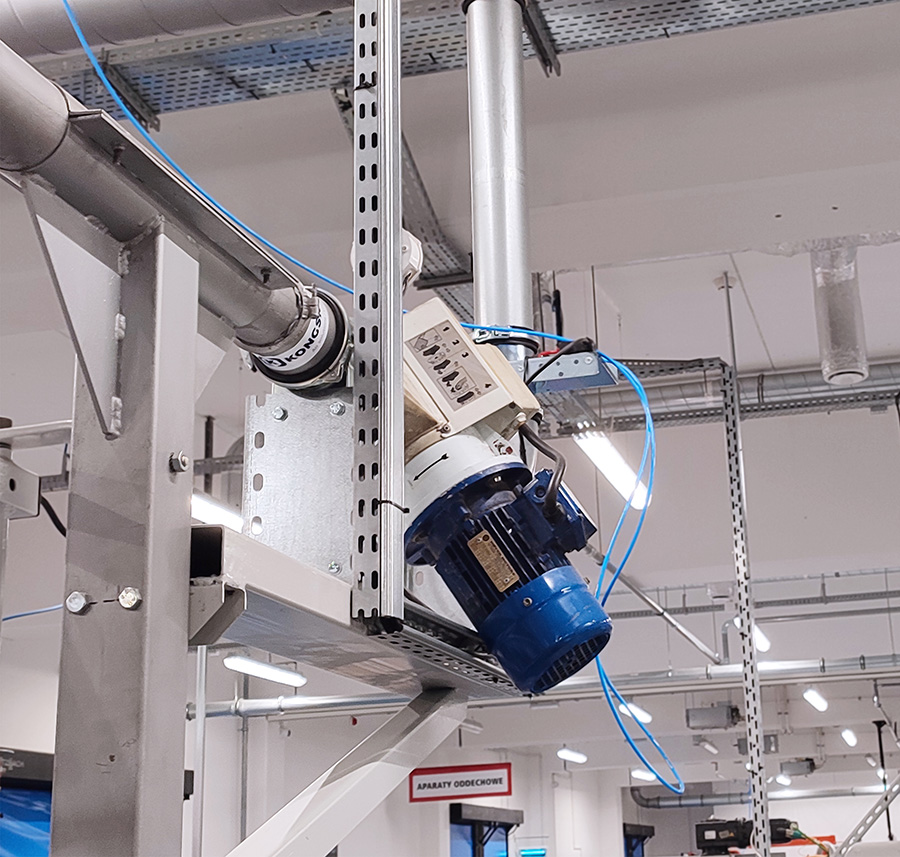
Pneumatic conveying offers a more contained way to move material through production. By conveying material through enclosed piping, it helps keep dust within the system, reducing the risk of contamination and limiting cleanup on the factory floor.
Getting more from existing production lines
In many cases, improving material flow requires far less investment than expanding production capacity or purchasing additional machines.
For plastics manufacturers looking to increase efficiency, the next productivity gain may not come from adding more equipment. It may come from addressing a missing link in production efficiency: how materials move through the factory.
The next step
Contact us today to discover how Kongskilde can help you build a safer, more efficient, and more sustainable production process.
Sources
1. https://www.sciencedirect.com/science/article/pii/S2405896321009642?utm_source
2. See case here: https://kongskilde-industries.com/industrial/cases/removal-of-plastic-wrap-from-liquor-bottles-france/
Related Articles

We’re here to help you find the right material handling solution.
Start the conversation today.