Conveying of Expanded Vermiculite – Slovenia
Producer of non-combustible mineral boards located in Slovenia needed a solution to reduce dust and noise in their production.
Learn More

Non-standard materials can be difficult to convey because their flow characteristics, particle size, bulk density, temperature and moisture content may differ significantly from conventional production materials. Some materials are abrasive or fragile, while others are lightweight, irregular, dusty or prone to collecting inside conventional handling equipment. Specialty material-handling systems must account for how the material behaves throughout the complete process, from collection and feeding to conveying, separation and discharge.
Every non-standard material starts with understanding its size, weight, density, temperature, and how it behaves in air. Systems are then built from standard Kongskilde components and configured around the material, conveying distance, and capacity required.
Evaluate your material on Kongskilde equipment at a Technology Centre. Testing explores conveying behaviour and system settings, with a report documenting process parameters and results to support equipment selection.


Featured Case Study
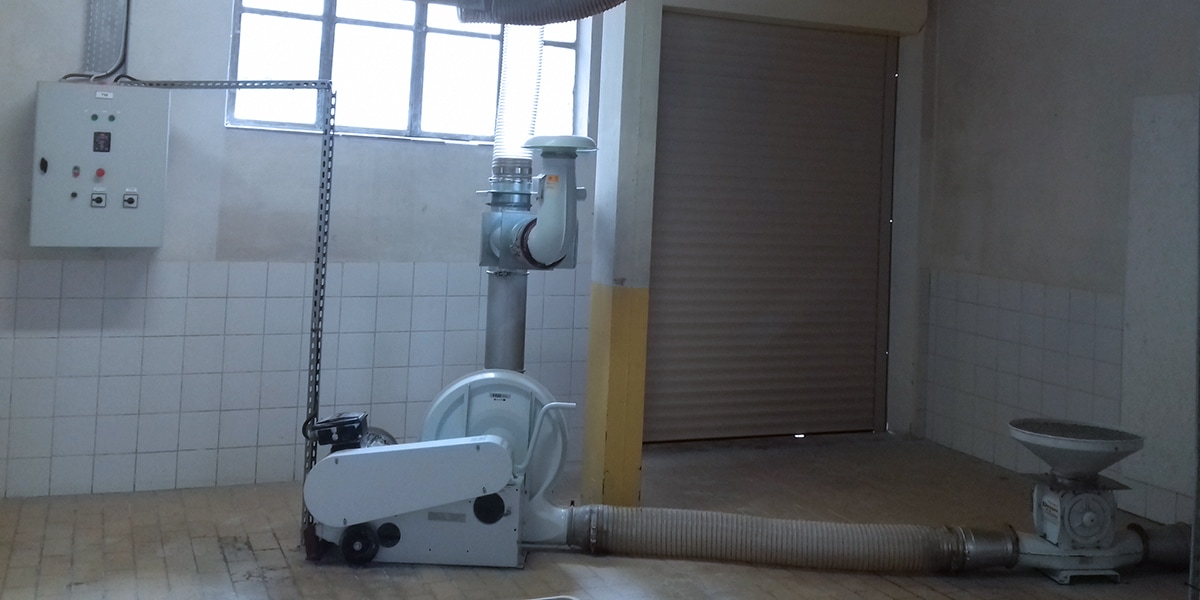
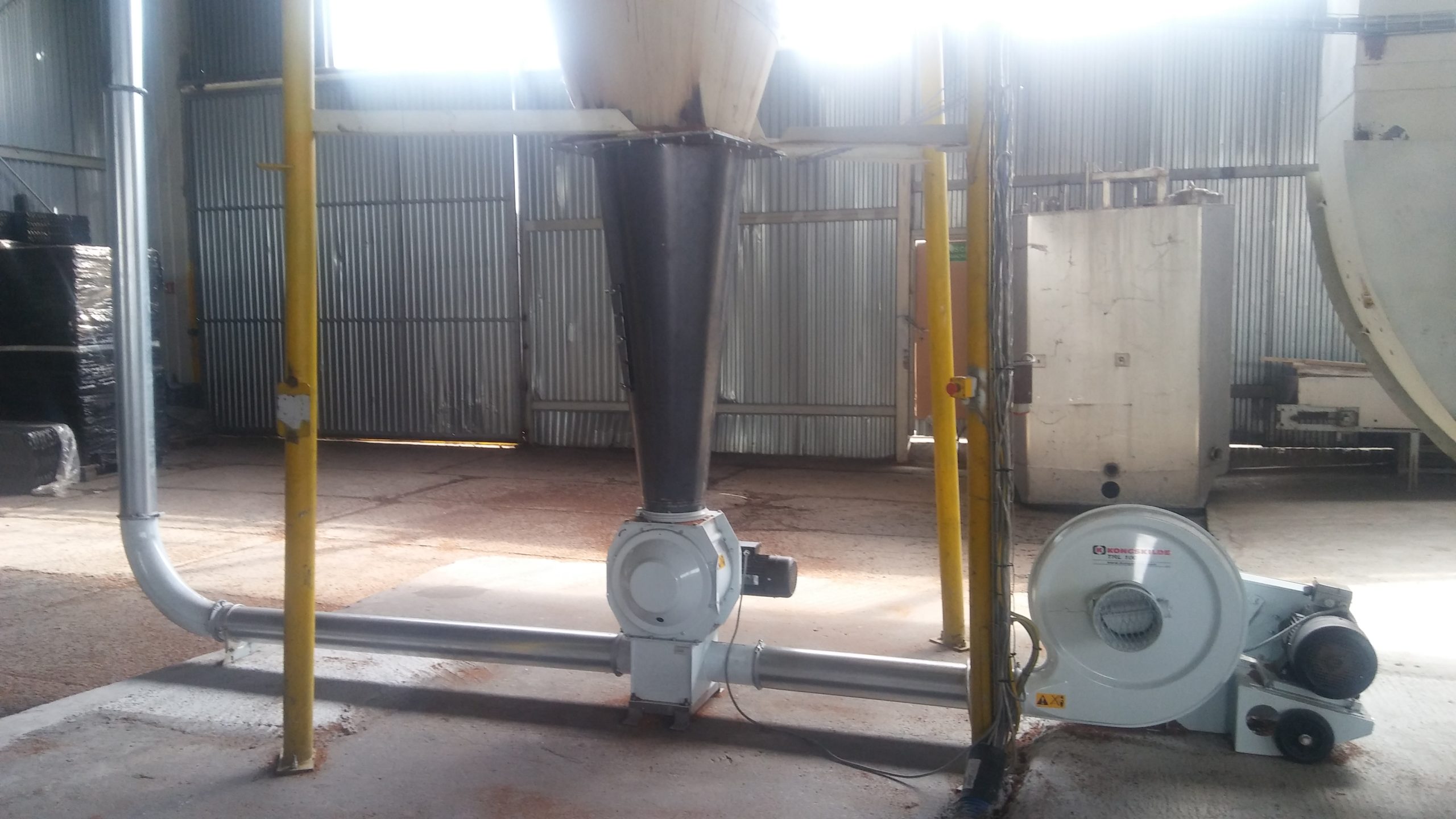
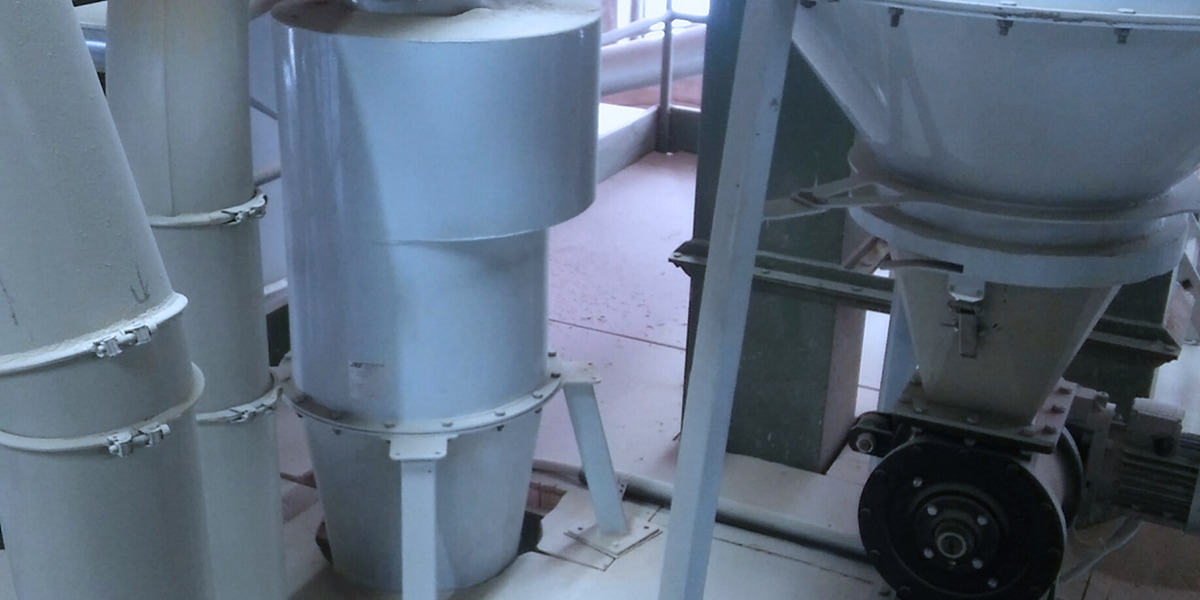
A mineral board producer replaced a dusty, noisy conveyor belt with a pneumatic system that moves expanded vermiculite at around 200°C from silo to production. A MultiAir 1100T blower, KM 50 cyclone, and DS 7 filter now reduce noise and dust at the line and lower cooling costs.
We support a wide range of productions with solutions tailored to their specific processes, challenges, and goals.
Don’t worry, we’re up for the challenge. Contact us, and we will find the right solution for your operation.
Our experience across many different industries becomes a practical advantage for you. From high-capacity bulk unloading to one-of-a-kind specialty materials, we apply proven knowledge to help you solve challenges and achieve reliable results.
Every custom system is backed by a full performance guarantee.
Fully engineered, installed, and backed by ongoing support from day one.
Expert guidance based on deep process and application knowledge.
A worldwide presence backed by regional support.
Every project is different, and so is every custom solution we deliver.
Tell us about your challenges, and one of our experts will follow up to learn more about your operation and discuss how we can help.
Bulk material conveying moves loose materials such as pellets, flakes, and granules between unloading, storage, and production. Pneumatic systems use air to transport material through enclosed pipes, with continuous or batch operation depending on the process.
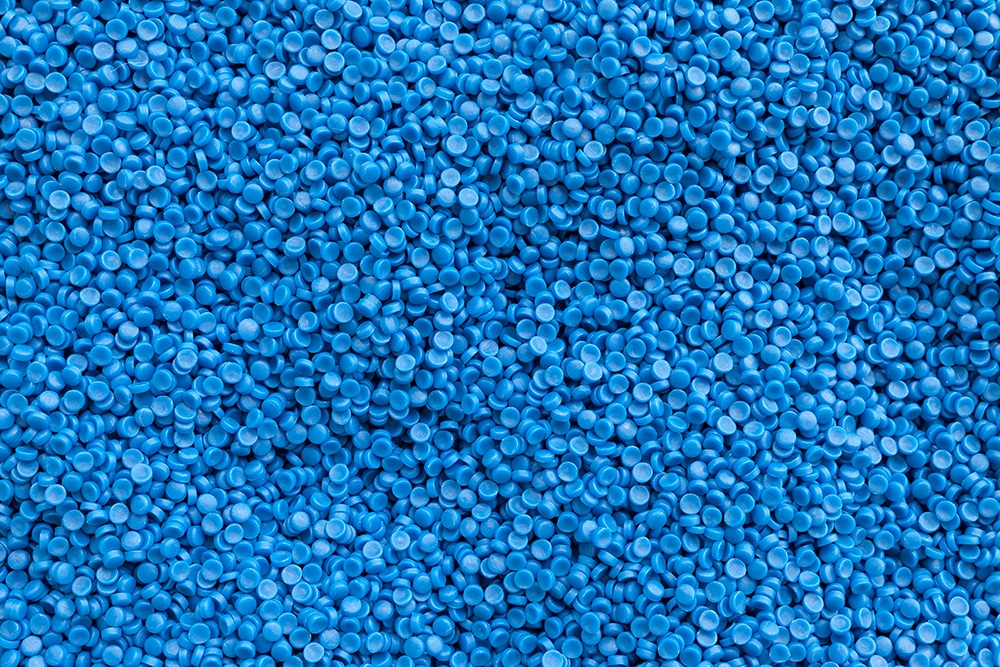
Applications include charcoal, expanded vermiculite, soap granulates, shaved ice and snow, wood veneer trim, and aluminium foil scrap, alongside bulk pellets, flakes, and granules. Each application is assessed around the material’s characteristics and conveying requirements.
Kongskilde engineers assess particle size, shape, bulk density, moisture, temperature, and tendency to stick or compact. Testing at a Technology Centre can evaluate conveying behaviour and help identify the equipment and settings needed for your application.
Provide a material description or sample, required throughput, conveying distance, vertical lift, and collection and discharge locations. Details about temperature, moisture, dust, abrasiveness, and available space help identify the right system configuration.
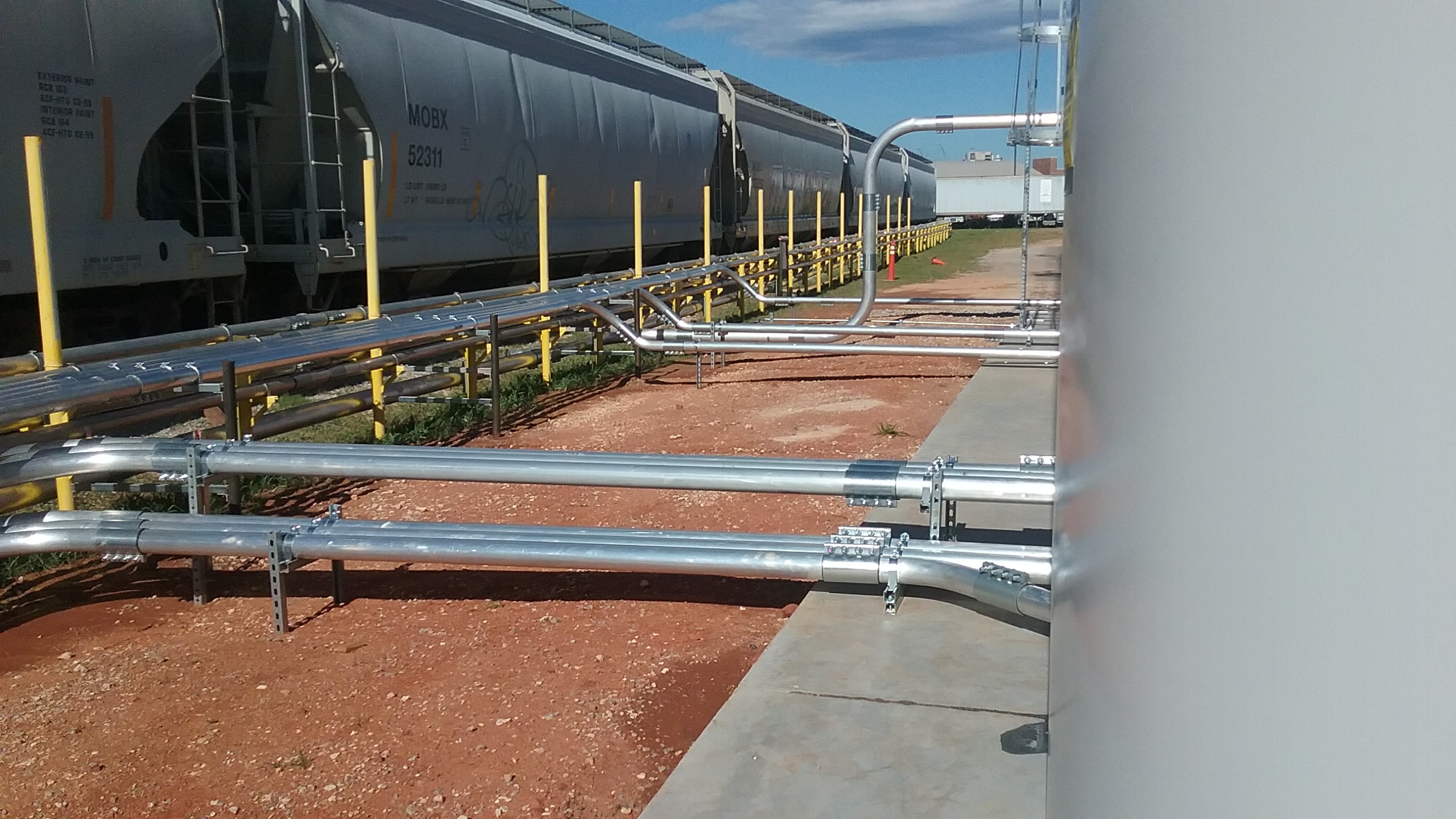
A pneumatic unloading system draws pellets from the rail car outlets and conveys them through enclosed pipes to storage silos. Systems can be configured to serve several rail cars and silo destinations, with capacity matched to the required unloading time.
Some abrasive materials can be conveyed pneumatically, but wear must be assessed before equipment is selected. Material characteristics, conveying velocity, pipe routing, and bends all influence whether pneumatic transport is appropriate.
Equipment and conveying conditions are selected around the material’s temperature and sensitivity to heat. Applications range from hot expanded vermiculite to soap granulates and shaved ice, with each requiring its own assessment of airflow, contact surfaces, and discharge arrangements.
Yes. Conveying lines can use diverters and multiple discharge points to direct material to different silos, storage bins, or production processes. Routing and controls are configured around the destinations and transfer requirements.
Pneumatic systems move material directly between unloading points, storage, and processing equipment, reducing manual lifting and bin transport. Enclosed pipes contain material and can be routed overhead or around existing equipment to free up floor space.
Producers can reduce energy use by sizing the system to actual material throughput rather than running an oversized setup. Energy use depends on material characteristics, conveying route, and required capacity. Kongskilde engineers match blowers and components to the application to avoid unnecessary airflow.
Bring us your unusual material handling challenge. Kongskilde can evaluate the material, test its conveying performance and develop a pneumatic solution built for your process.