Home | Your Industry | Labels & Tape

Pneumatic Solutions for Labels & Tape Production

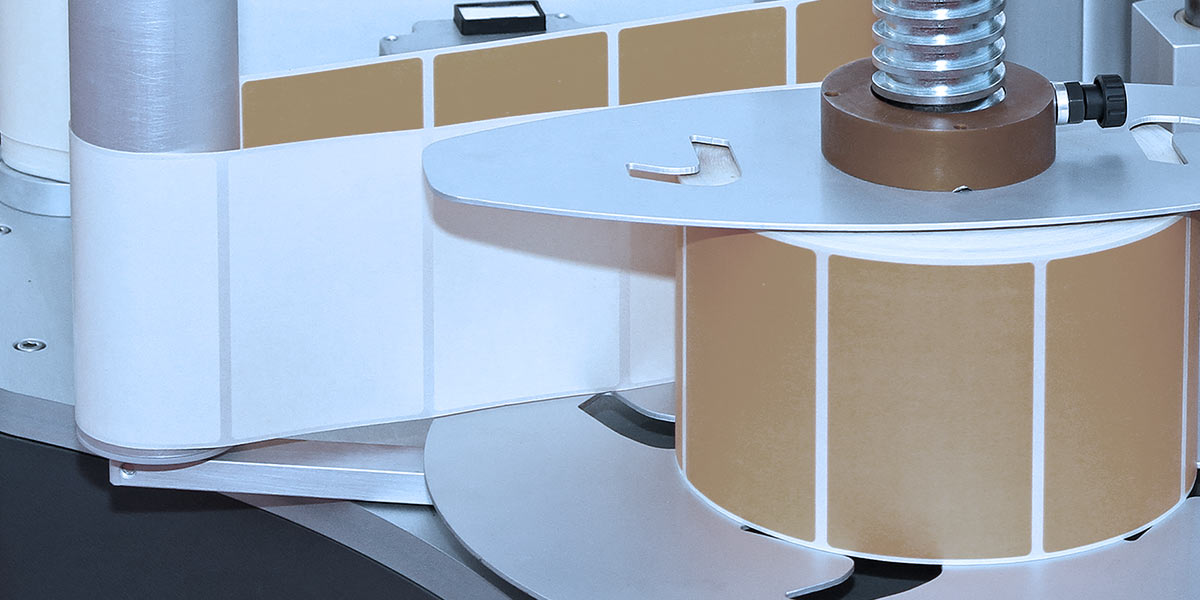
Every label press produces scrap. Self-adhesive matrix, edge trim, liner, and die-cut waste come off the line continuously, and volumes build quickly in high-volume printing and converting. Rewinding matrix onto rolls at the press ties scrap handling to production, with full rolls requiring changes, lifting, and removal. As press speeds rise and label shapes become more complex, matrix rewinding can become a bottleneck, leaving operators managing scrap instead of running jobs.

  • Reducing interruptions from waste rewinding: Matrix and trim winders require roll changes, tension adjustment, and operator attention.
  • Managing matrix on die-cutting and finishing lines: Small labels and complex die-cut shapes make matrix handling a bottleneck on rotary die-cutting and digital finishing lines, limiting production speed.
  • Reducing manual handling at the press: Changing, lifting, and moving matrix rolls ties up operators with scrap handling instead of running and monitoring presses.
  • Keeping production areas clear and safe: Heavy matrix rolls create lifting hazards, and full rolls and bins collect around presses, blocking walkways in tight converting environments.
  • Handling adhesive and static-prone scrap: Self-adhesive matrix and static-charged trim cling to equipment and pipe walls, causing buildup and unplanned cleanouts.
  • Lowering disposal and logistics costs: Loose, uncompacted matrix takes up container space, adding to internal transport, disposal fees, and the cost of preparing scrap for recycling.

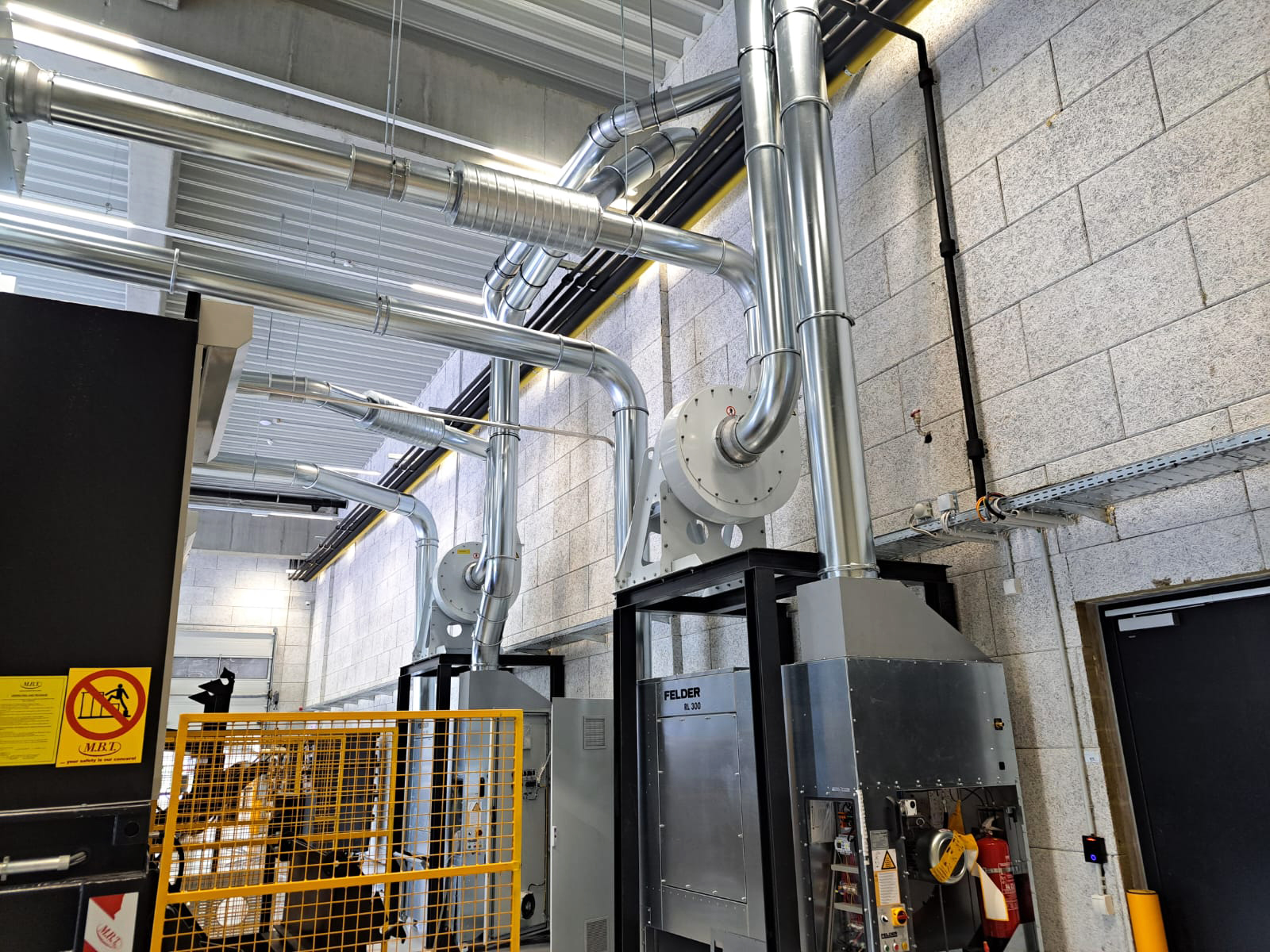
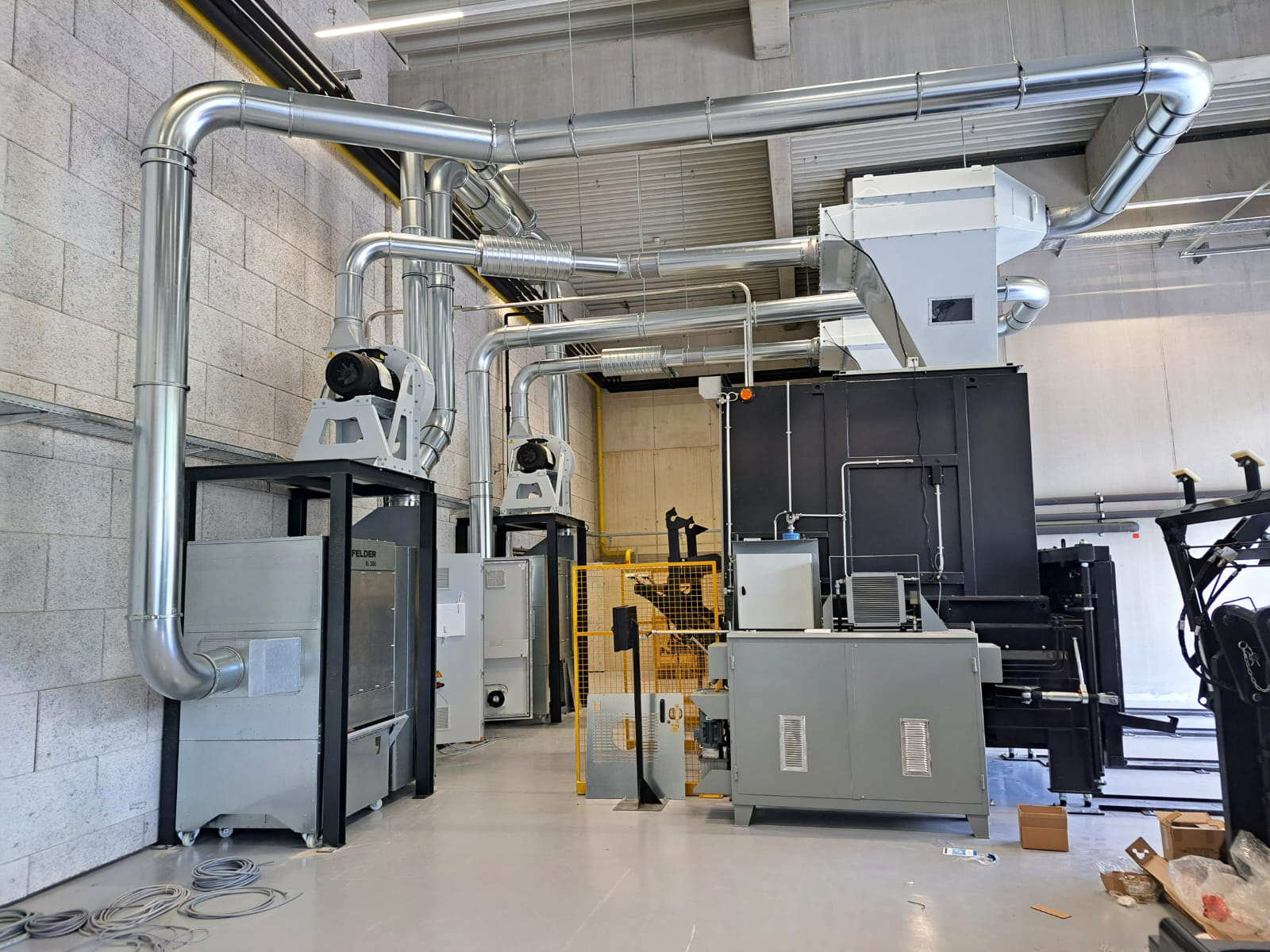
Kongskilde systems extract self-adhesive matrix, edge trim, and die-cut scrap directly from label presses, tape slitters, and converting equipment. Inline cutters downsize waste for enclosed conveying to collection or disposal, replacing waste rewinding and reducing manual roll handling.

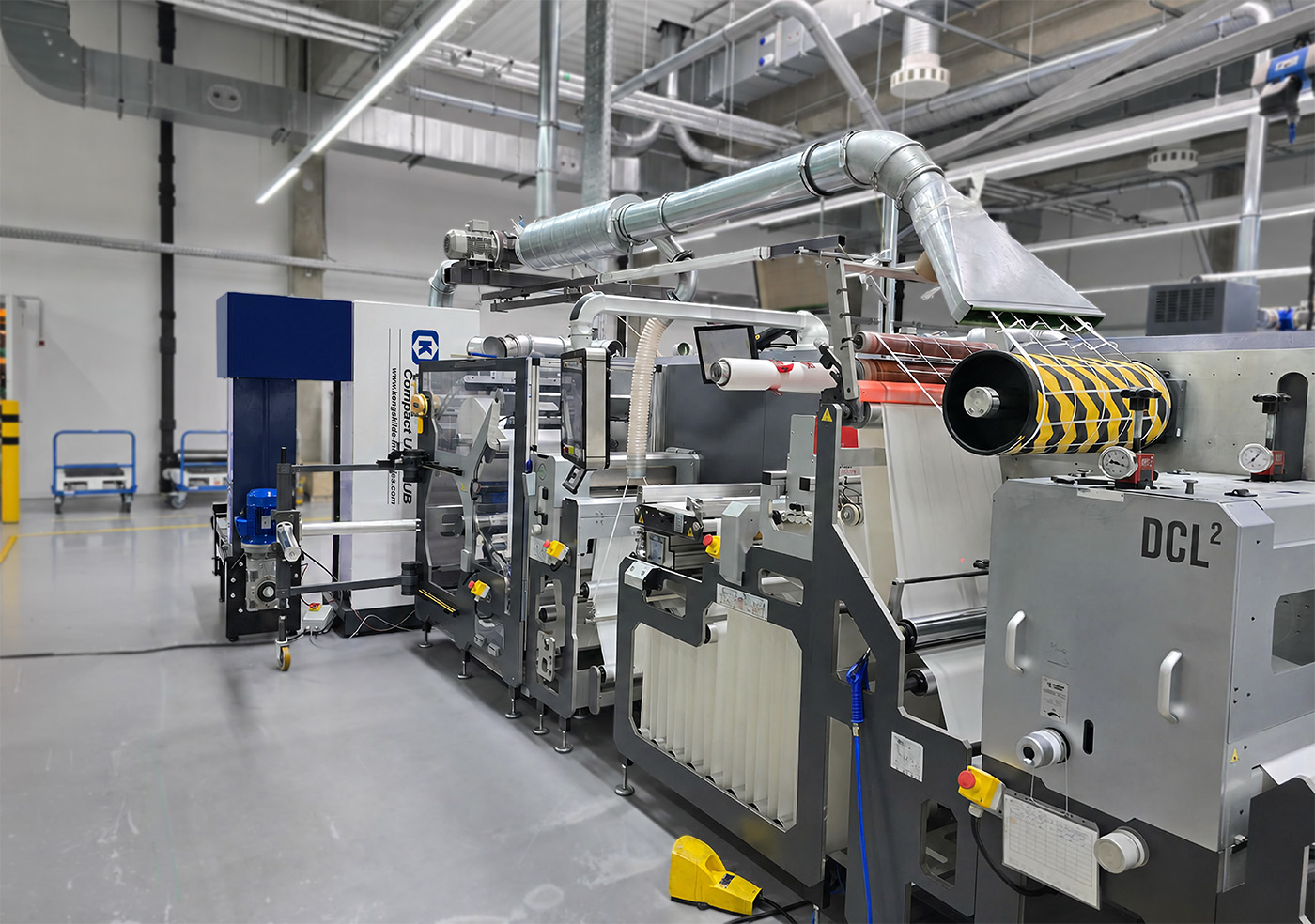
For machine-side collection, the CUB compact unit combines extraction, cutting, conveying, and collection. Central systems connect multiple machines to shared collection equipment, including balers, press containers, and compactors.

  • Trim Handling and Downsizing: Pneumatic systems extract edge trim directly from presses and slitter rewinders and cut it inline, keeping lines running without trim rewinding or manual collection.
  • Matrix and Die-Cut Scrap Removal: Extraction systems capture self-adhesive matrix and die-cut scrap at the press and cut it into small pieces at the source, removing the need for matrix rewinding and roll changes.
  • Pneumatic Conveying: Enclosed, air-driven transport carries scrap from a single press or a full machine group to bags, big bags, or screw compactors, inside or outside the building, keeping the production floor clear.
  • Dedusting and Separation: Separators discharge matrix and trim from the conveying air, while filters capture dust before air is discharged or returned to the production area.
  • Adhesive and Static-Prone Waste Handling: Non-stick components, oil mist systems, and antistatic options help control adhesive buildup and static-related clinging when conveying self-adhesive matrix and tape trim.

Automated Foil Trim Handling for Label and Packaging Production

CCL Label Dornbirn is an Austria-based label and packaging producer with eight slitting machines generating significant volumes of foil trim. To improve recycling, reduce dust and optimize energy use, the company needed an automated system that could cut, convey and separate the trim into two recycling streams.


The Kongskilde Advantage

Our experience across industrial production becomes a practical advantage for you. With a specialized label division dedicated to the challenges of label and adhesive material production, we apply proven knowledge to help you keep presses running and achieve reliable results.

Our Guarantee

Every custom system is backed by a full performance guarantee.

Complete Solutions

Fully engineered, installed, and backed by ongoing support from day one.

Your Expert

Expert guidance based on deep process and application knowledge.

Global Support

A worldwide presence backed by regional support.

Start the conversation today.

Every project is different, and so is every custom solution we deliver.

Tell us about your challenges, and one of our experts will follow up to learn more about your operation and discuss how we can help.

  • No obligation conversation
  • Solutions tailored to your process and materials
  • Support for new installations and system upgrades
  • Help identifying bottlenecks and improving material flow
  • Compact system designs for space-constrained facilities

Frequently Asked Questions

How does pneumatic label matrix removal replace matrix rewinding?

Matrix is extracted at the press, cut inline, and conveyed through enclosed pipes to a bag, bin, or compactor. This removes the need to wind waste onto rolls, reducing roll-change stops and the lifting and transport of full matrix rolls.

What is an alternative to a matrix rewinder in label production?

Pneumatic matrix extraction replaces waste rewinding by continuously collecting, cutting, and conveying matrix to a bag, bin, or compactor. This removes waste-roll changes and reduces manual handling of heavy matrix rolls.

What is the difference between machine-side and central label waste extraction systems?

Machine-side systems collect waste close to an individual press or small machine group. For these applications, Kongskilde provides the CUB compact unit, which combines extraction, cutting, conveying, and collection with standard bag, endless bag, or screw compactor options.

Central systems connect several presses or converting lines through a pipe network, conveying matrix and trim to shared collection or disposal equipment away from the machines. Kongskilde designs complete systems with cutting, conveying, separation, and discharge to balers, press containers, or compactors.

The choice depends on waste volume, machine layout, available space, and collection requirements.

How is edge trim extracted on slitter rewinders?

Edge trim is collected continuously at the slitting point and conveyed through enclosed pipes to collection. Inline cutters downsize trim where required, replacing trim winding and reducing manual scrap handling around the machine.

What materials can a machine-side label waste system handle?

A Kongskilde machine-side solution can handle self-adhesive matrix, edge trim, release liner, and die-cut scrap from paper, film, foil, and laminated materials.

What is matrix waste in label production?

Matrix waste, also called waste matrix or skeleton waste, is the self-adhesive material surrounding labels after die cutting. It is stripped from the release liner as a continuous web, then rewound onto a waste roll or extracted, cut, and conveyed to collection.

How is self-adhesive matrix conveyed without sticking or clogging?

Non-stick components and pipe options help reduce adhesive buildup, while oil mist systems can limit residue on cutters and conveying surfaces. Antistatic equipment addresses static-related clinging. The configuration depends on the adhesive, material, and operating conditions.

How can matrix removal reduce waste handling and disposal costs?

Automatic extraction conveys matrix and trim directly to collection or disposal points, reducing manual handling and transport of waste rolls. Compaction makes better use of container space and can reduce collection frequency. For machine-side collection, the CUB offers a screw compactor that compresses waste into bins or an endless bag system that extends time between bag changes. Savings depend on waste volume and disposal arrangements.

Can pneumatic extraction handle adhesive tape converting waste?

Pneumatic systems remove self-adhesive edge trim and converting scrap from tape production lines. Non-stick components, oil mist systems, and antistatic options are selected around the adhesive, backing material, and waste characteristics.

Where is label matrix and trim waste collected after extraction?

Pneumatic systems convey matrix and trim to designated collection or disposal points, including bins, bags, and compactors. For machine-side waste collection, the CUB compact unit offers three collection options: a standard bag for removal when full, an endless bag system to extend time between changes, or a screw compactor that compresses waste into a collection bin.

When should label producers choose central waste extraction over machine-side collection?

Kongskilde provides both machine-side and central waste extraction systems. Central systems convey waste from several presses or finishing machines to collection away from production, while machine-side units collect waste beside individual presses or smaller machine groups. Our specialists help select the right approach based on your layout, waste volume, and collection requirements.
Can matrix removal be added to existing presses?

Yes. Machine-side units such as the CUB can be positioned beside existing presses and moved using a forklift or pallet jack. Central systems connect machines through a pipe network, with provision for additional connections where capacity allows. Installation is planned around the press and extraction requirements.

How can pneumatic waste extraction reduce energy use in label and tape production?

Producers can reduce energy use by sizing extraction to actual trim volumes, line speeds, and the machines operating together. Energy use also depends on material characteristics and conveying distance. Kongskilde engineers match blowers and components to the application, with frequency control used where appropriate to adjust airflow to demand.